
Bathroom Remodel – Horsham, PA
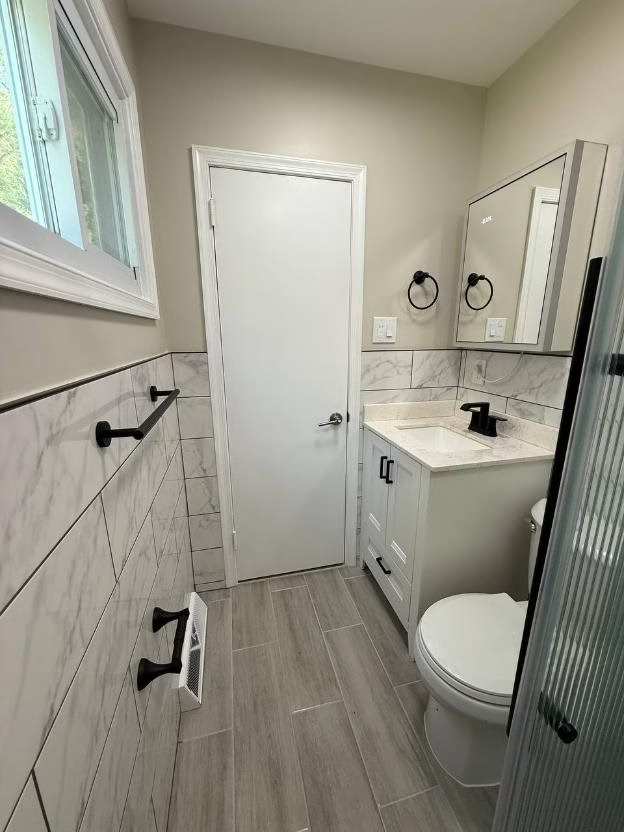
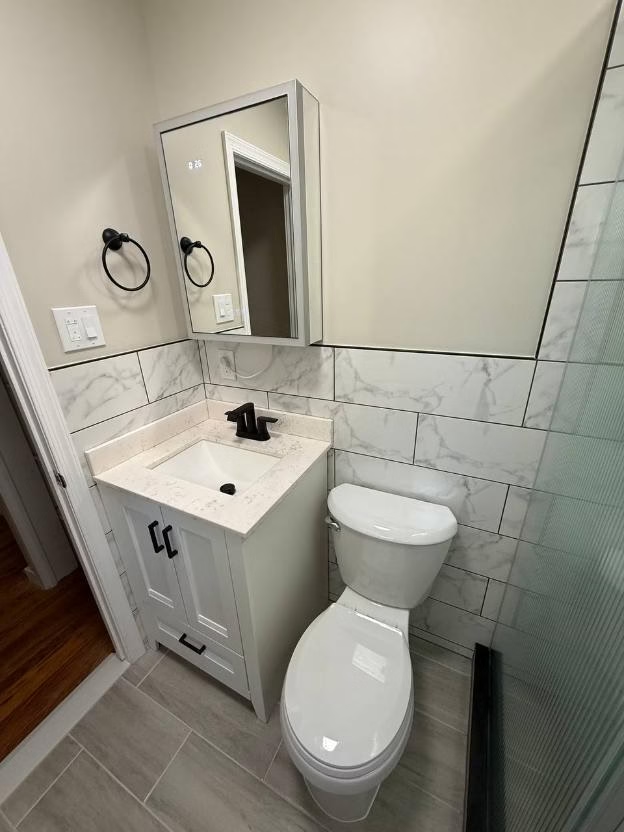
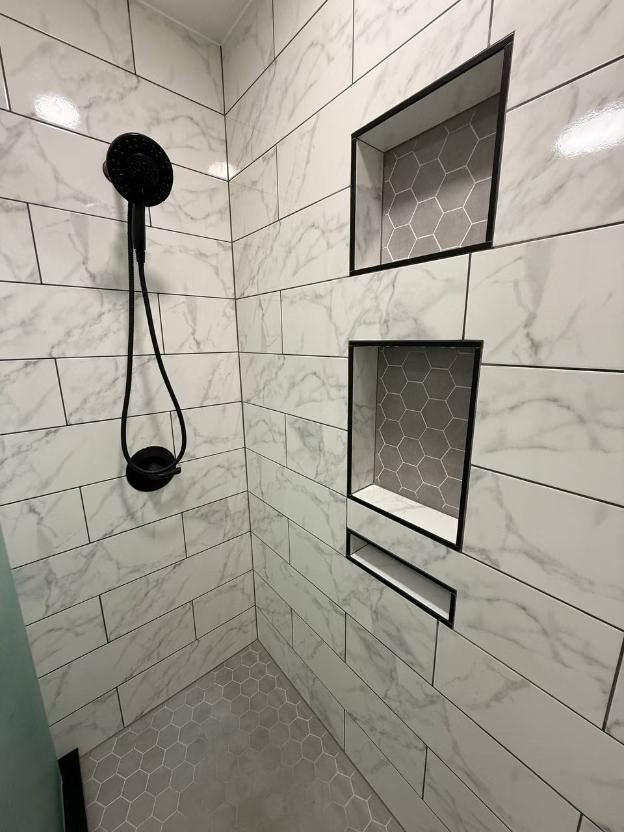
This 30-square-foot bathroom in Horsham was a full gut — ceiling included. The ceiling came down along with everything else, which is not always part of a bathroom remodel at this scope but was necessary here to allow for new moisture-resistant materials and proper placement of the recessed shower light. Everything from the studs and subfloor out was replaced: green board walls, cement board substrate in the tub and wet zones, new ceramic tile on the floor and on walls outside the tub area, full-height tile in the tub surround, and a recessed ceiling light specifically in the shower.
What This Project Included
- Full demolition including ceiling removal
- Green board drywall on all walls
- Cement board on floor and in tub/shower area
- New ceramic tile flooring throughout
- Full-height tiled tub surround
- Additional wall tile outside the tub area
- New sliding shower doors
- New shower faucet
- New toilet
- New vanity faucet and sink (homeowner-supplied vanity reinstalled)
- Medicine cabinet with lighted mirror above vanity
- Recessed ceiling light in shower area
- New exhaust fan
- Full paint including door and casings
- New baseboards
- Towel bar, towel ring, toilet paper holder with blocking
- All plumbing and electrical to code
Why the Ceiling Came Down
Taking a ceiling down in a bathroom remodel is not always required, but when it is, doing it during a full gut is the right time. In this Horsham bathroom, the existing ceiling had to come out to allow the new moisture-resistant green board to be properly installed and to give the electrician the access needed for the recessed shower light. Trying to retrofit a recessed fixture into a finished ceiling without opening it up typically means a patch that reads as a repair — doing it during the full demolition phase means the ceiling comes back as a finished, consistent surface.
Green board was installed throughout the walls. Cement board went in on the floor and in the tub area, providing the correct waterproof substrate for tile in the wet zones.
Tile Throughout — Tub Surround and the Walls Beyond It
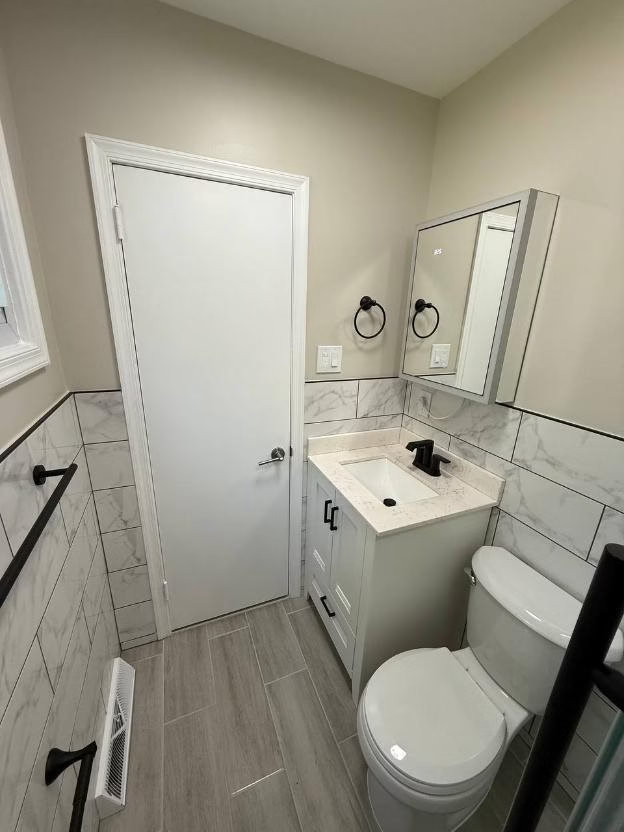
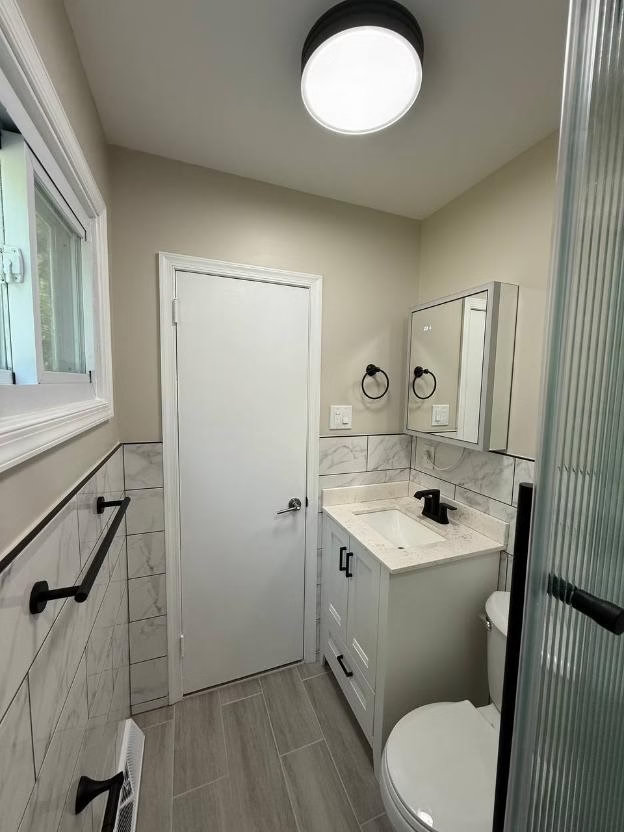
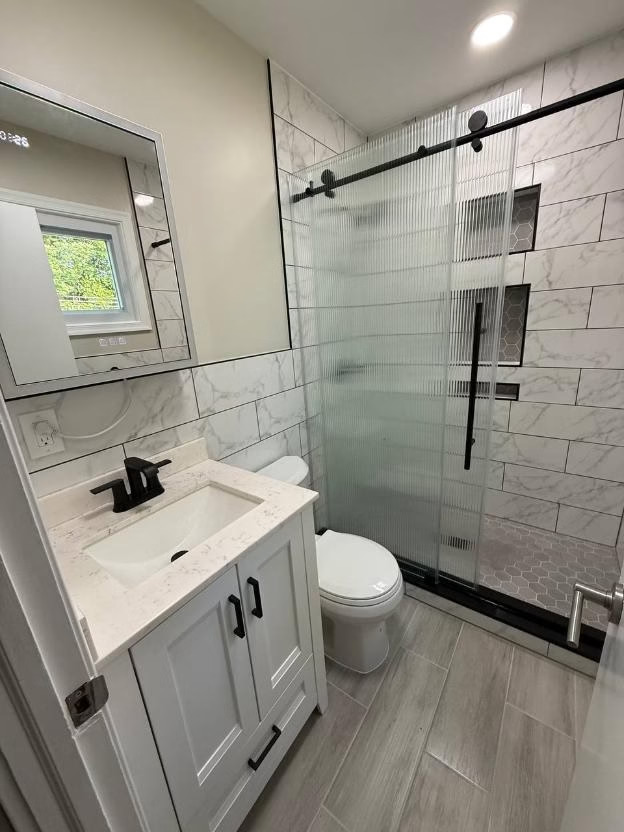
The tub surround was tiled floor to ceiling, which is the standard approach for a properly waterproofed tub enclosure. What is notable here is that tile was also installed on the bathroom walls outside the tub area — extending the tile work to cover additional wall surfaces beyond just the shower zone. This serves two purposes: it adds moisture protection to walls that still see daily splash and steam exposure, and it unifies the visual character of the room so the tiled tub surround does not look like an isolated island in a painted room.
New ceramic tile was also installed across the bathroom floor. Sliding shower doors close the tub opening and a new shower faucet completes the tub area.
Recessed Shower Light
A recessed ceiling light was installed specifically in the shower area. In a tiled shower enclosure with sliding doors, the interior of the shower can be dim without a dedicated fixture — ambient light from the main bathroom light filters in, but the back wall and floor of the shower stay noticeably darker than the rest of the room. A recessed light in the shower ceiling illuminates the enclosure from within, which matters both for practical visibility and for how the tile work reads. This was one of the details made possible by opening the ceiling during demolition.
Vanity and Fixtures
The homeowner’s own vanity was reinstalled rather than replaced, which kept the project budget focused on the elements that required full replacement. A new sink and faucet were installed, and a medicine cabinet with a lighted mirror was mounted above — the integrated lighting in the cabinet provides direct, close-range illumination at the vanity that a ceiling fixture alone typically does not. A new toilet and exhaust fan completed the fixture replacements.
What Changed in Daily Use
The finished bathroom is a room that functions the way a properly rebuilt bathroom should. The ceiling is consistent, the substrate is correct throughout the wet zones, the tile extends beyond just the tub walls, and the shower has its own light. The homeowner’s vanity is back in place connected to new plumbing. At $11,200 for a full gut including the ceiling in 70 square feet in Horsham, this sits at the middle of the range for this type of scope in Montgomery County.
Bathroom Remodeling in Horsham
Horsham is a Montgomery County township with a mix of residential development from various eras — ranch homes, colonials, and newer subdivisions, many of which have bathrooms that have not been updated since original construction. A full gut that replaces the substrate, the tile, and all fixtures is the appropriate approach when the existing materials have reached the end of their useful life rather than just looking dated.
Belmax Remodeling works throughout Horsham and the surrounding Montgomery County area. For more on our approach to bathroom projects, see our bathroom remodeling service page. Homeowners in Horsham can also visit our Horsham bathroom remodeling page for more completed local projects.
Considering a Similar Project?
Full bathroom gut remodels in the 30-square-foot range that include ceiling removal, full tile, and a complete fixture replacement typically fall in the $10,000–$13,000 range in Montgomery County. This Horsham project came in at $11,200, completed August 2025. To discuss what your bathroom would involve, request a free estimate.