
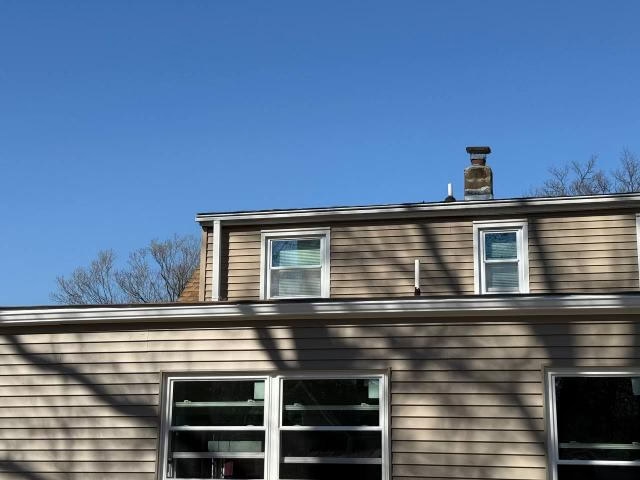
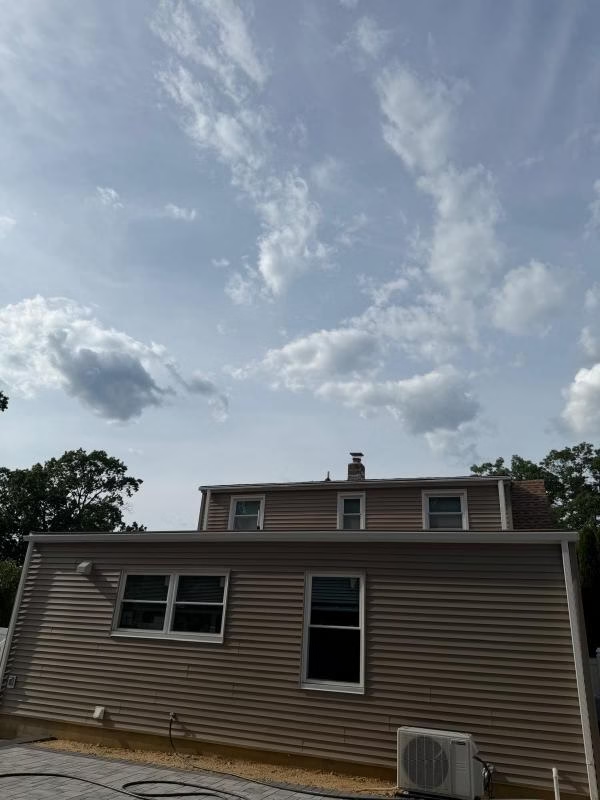
A home addition is not just extra square footage attached to the back of a house. It has to become part of the existing structure, connect correctly to the original building, and function as finished living space from the foundation up. This recent home addition by BMR Belmax Remodeling included the full construction sequence: demolition, excavation, foundation work, framing, roofing, siding, windows, doors, insulation, heating and cooling, kitchen build-out, bedroom finishing, electrical, plumbing, flooring, trim, and final interior work.
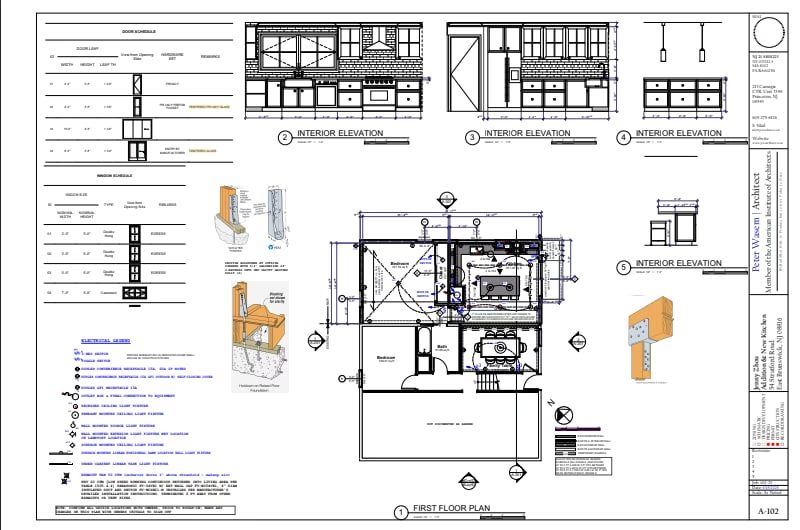
The project expanded the existing home with a new addition that included a kitchen area, dining and family room connection, and a bedroom. The work started outside with site demolition and foundation preparation, then moved through structural framing and exterior enclosure before the interior spaces were built out and finished.
What This Project Included
- Site preparation and demolition
- Removal of existing deck and exterior slab
- Excavation and foundation preparation
- New crawl space slab, footings, and perimeter foundation
- Perimeter drain and sump pump
- Structural framing for floor, walls, ceiling, and roof
- Interior partition walls
- Engineered structural beam and posts
- New roofing and siding
- New insulation in floor, walls, and ceiling
- New windows and patio doors
- Exterior stairs and railings
- Dedicated heating and cooling system
- Kitchen electrical, gas, plumbing, drywall, tile floor, and appliance installation
- Bedroom electrical, drywall, trim, flooring, closet doors, and lighting
- Interior door and pocket door
- Window and door casings
- Baseboards and finish trim
Site Preparation and Foundation Work
Before the addition could be built, the existing exterior structures had to be removed. The old deck and exterior slab were demolished, and the soil was excavated to prepare the area for the new foundation. This phase is one of the most important parts of an addition because the quality of the finished space depends on the foundation being properly prepared before framing begins.
The new addition was built over a crawl space, with new footings, a perimeter foundation, and a slab installed as part of the foundation system. Drainage was also addressed at this stage with a perimeter drain and sump pump. These details matter because water management around a new foundation is not something that should be left until later. It has to be included while the foundation work is open and accessible.
A home addition puts new loads onto a new foundation while also tying back into an existing house. That makes this stage more involved than a simple interior remodel. The new structure has to be supported correctly, and the framing has to be planned so the addition functions as part of the home rather than as a separate box attached to it.
Structural Framing and Tie-In
Once the foundation was complete, new framing was installed for the floor system, walls, ceiling, and roof. Interior partition walls were also built to divide the new space into the planned room layout. Structural beams and posts were installed where needed to support the new opening and carry the load properly through the addition.
This is the point in an addition where field coordination becomes especially important. The new framing must line up with the existing house, the new floor system must transition correctly, and the roof connection has to be built so the exterior envelope performs properly. Additions often look simple in finished photos, but the structural phase is where the project succeeds or fails.
The framing also had to account for the new kitchen area, bedroom area, window locations, patio doors, interior doors, closet layout, and mechanical and electrical paths. Good planning at this stage makes the finish work cleaner later.
Exterior Shell: Roofing, Siding, Windows, and Doors
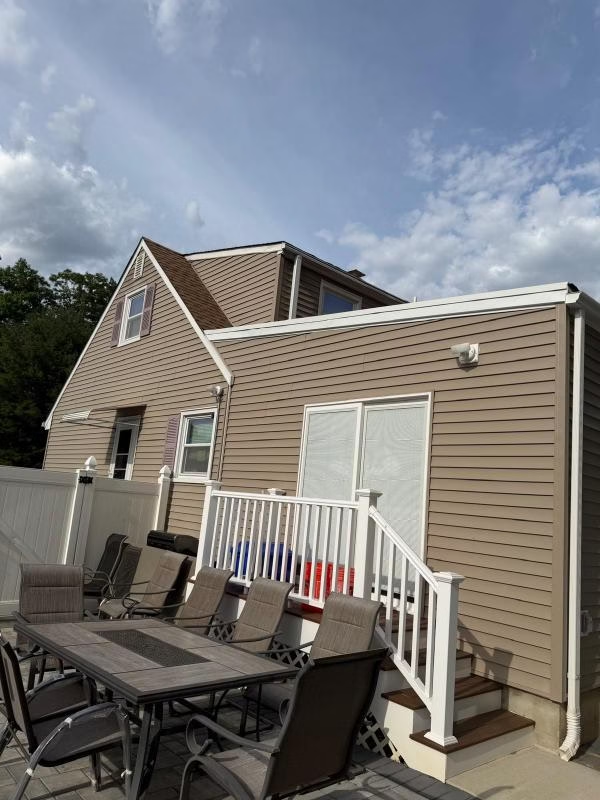
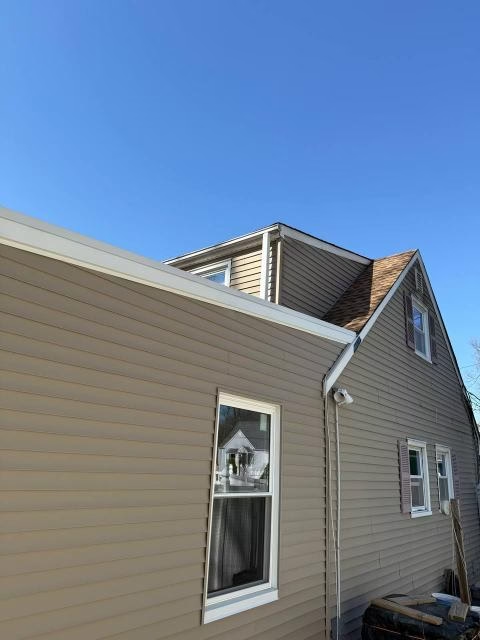
After the structure was framed, the exterior shell was completed with new roofing, siding, windows, and patio doors. The goal was to make the addition feel like a natural continuation of the existing home, not like a separate section added after the fact.
New windows were framed and installed, then finished with exterior trim. New patio doors were installed to bring natural light into the addition and create access to the exterior. Exterior stairs were also built, and railings were installed to complete the outside entry area.
Insulation was installed in the floor, outside walls, and ceiling so the new space would perform properly through the seasons. A dedicated heating and cooling system was installed for the addition, giving the homeowner comfort control in the new space without depending entirely on the original system.
Kitchen Area Build-Out
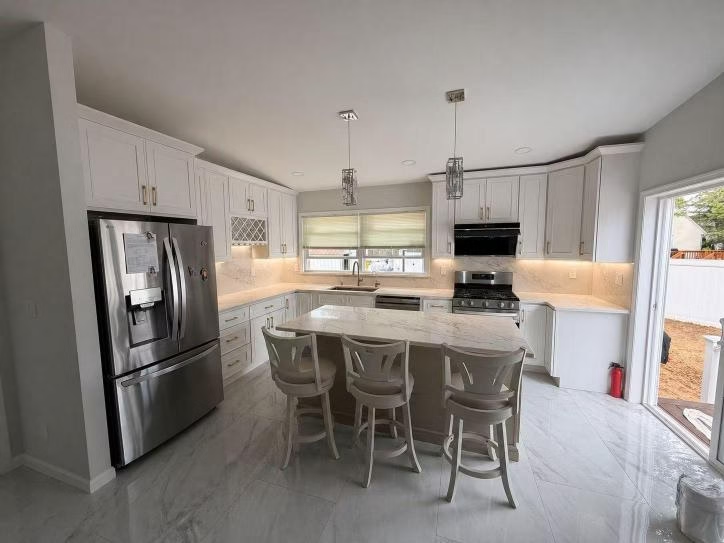
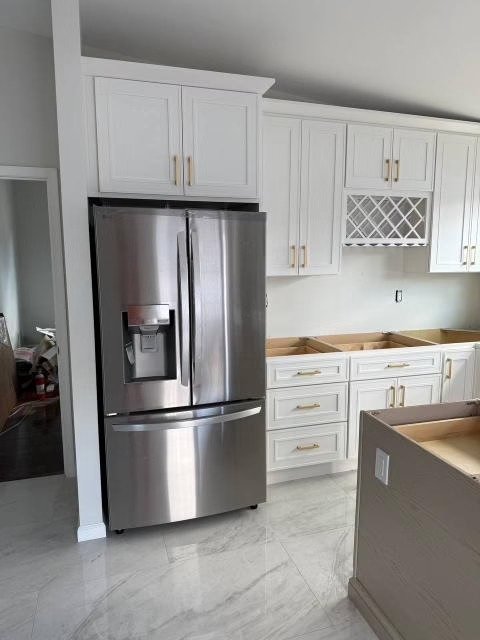
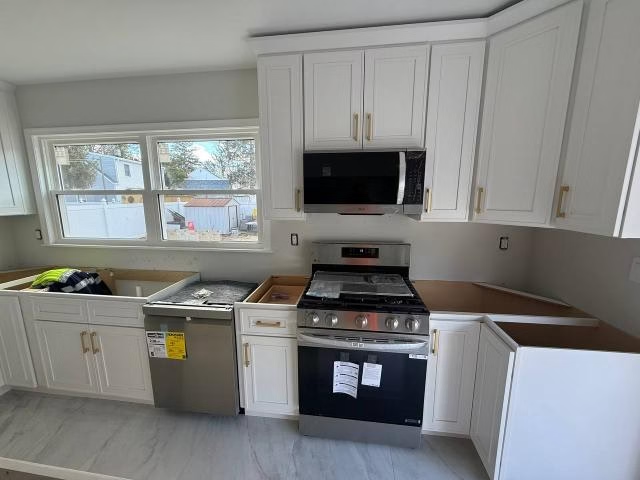
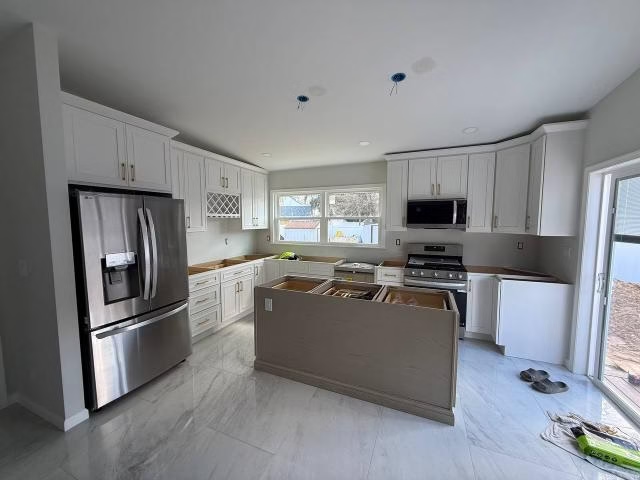
The kitchen portion of the addition required full rough-in and finish work. New electrical wiring was installed for the major kitchen appliances, countertop outlets, general outlets, recessed lighting, pendant lights over the island, and a dining or family room light fixture. Additional outlets were installed in the dining area as part of the expanded layout.
A new gas line was installed for the cooking area, and rough plumbing was completed for the kitchen sink. After the rough-in work, new drywall was installed on the walls and ceiling. The floor was prepared for tile, and the customer’s floor tile was installed.
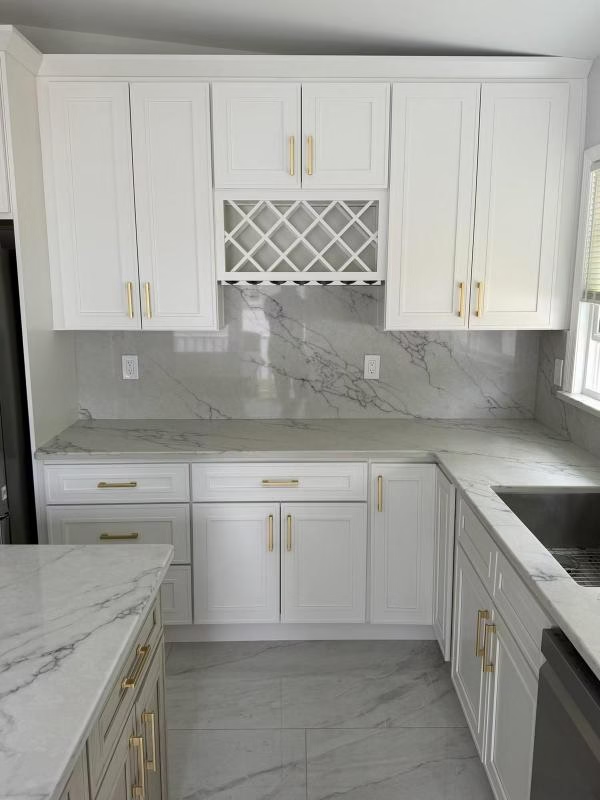
The customer’s refrigerator, stove, range hood, dishwasher, faucet, and related kitchen fixtures were installed during the finish stage. Door casings, window casings, baseboards, and other trim details completed the kitchen area and connected it visually to the rest of the addition.
Bedroom Area Build-Out
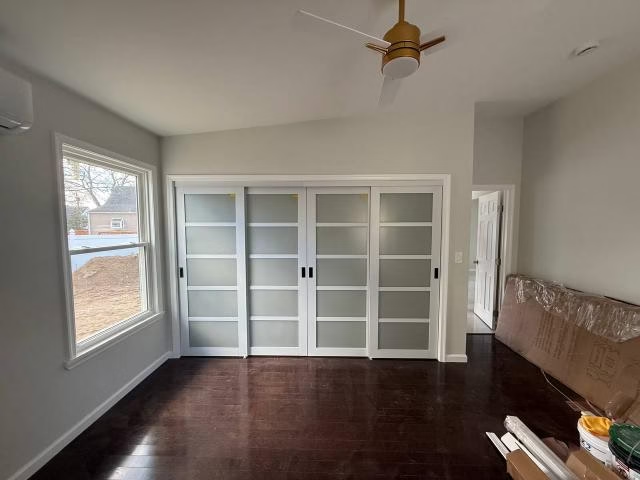
The bedroom was finished as a complete living space with new electrical outlets, lighting, drywall, flooring, trim, and closet doors. The customer’s light fixture was installed, and lighting was also added inside the closet for better daily use.
New drywall was installed on the bedroom walls and ceiling, followed by door casings, window casings, baseboards, and finished flooring. Closet doors were installed to complete the room. This part of the project turned the addition from a framed shell into usable interior space.
Bedroom work in an addition is often straightforward in appearance, but it still depends on the earlier phases being done correctly. Floor framing, insulation, electrical layout, window placement, drywall, and trim all have to come together cleanly for the room to feel like it was always part of the house.
Interior Doors, Trim, and Finish Details
The addition included a new standard interior door and a pocket door. Pocket doors are useful where the layout needs to save swing space and keep circulation open. They have to be framed correctly early in the project because they cannot be treated like a standard door after the wall is already built.
New door casings, window casings, and baseboards were installed throughout the new space. These finish details are what make the transition between new construction and the existing home feel complete. Even when the structural and mechanical work is the most complex part of the project, trim and finish work are what the homeowner sees every day.
What the Homeowner Gained
The completed addition gave the homeowner new functional living space with a kitchen area, bedroom, improved exterior access, updated lighting, dedicated heating and cooling, and a finished interior layout. The project also improved the way the home works overall, not just by adding space but by creating rooms that serve specific daily needs.
This type of project requires coordination across multiple trades and phases. Foundation work affects framing. Framing affects windows, doors, roofing, and mechanical layout. Electrical and plumbing rough-ins affect drywall and finishes. Every step has to be completed in the correct order so the final result feels like one complete home.
Home Addition Services by BMR Belmax Remodeling
BMR Belmax Remodeling handles home addition projects that require full construction management from demolition and foundation work through final interior finishes. This project is a good example of what a full addition involves: structural work, exterior enclosure, mechanical systems, kitchen and bedroom build-out, and detailed finish work.
For homeowners considering an addition, the important question is not only how much space will be added. It is how the new space will connect to the existing home, how the foundation and structure will be handled, how the exterior will be integrated, and how the finished rooms will function once the project is complete.
For more information about this type of project, visit our home addition service page. To discuss your project, request a free estimate.