
Kitchen Remodel – Philadelphia, PA
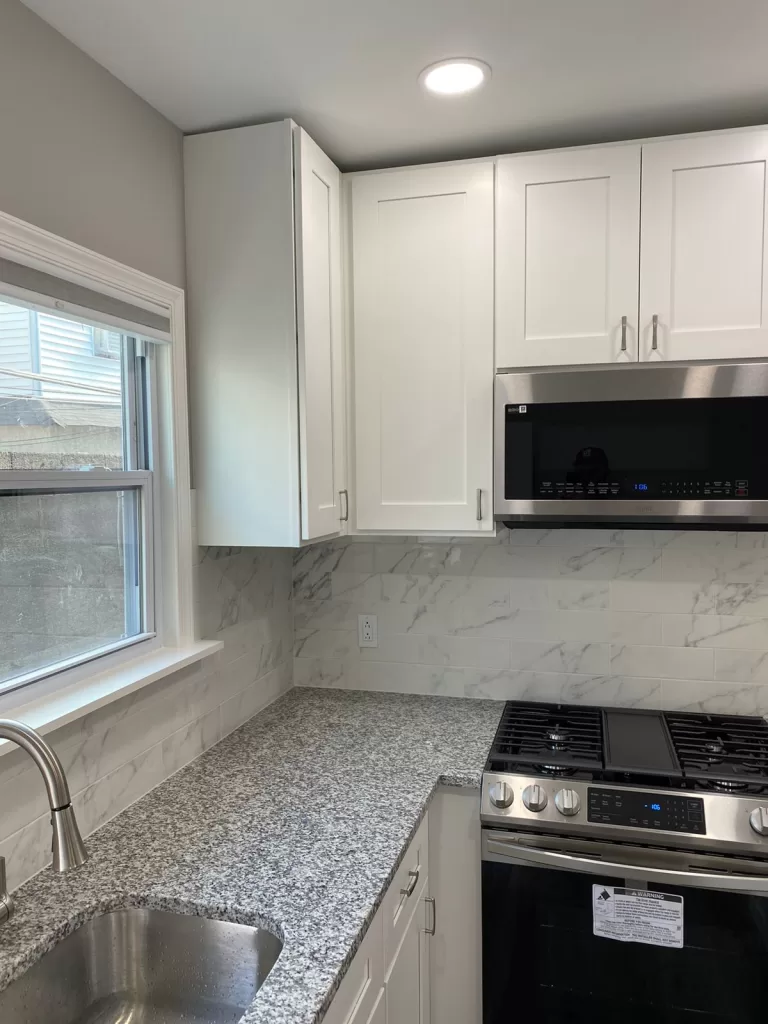
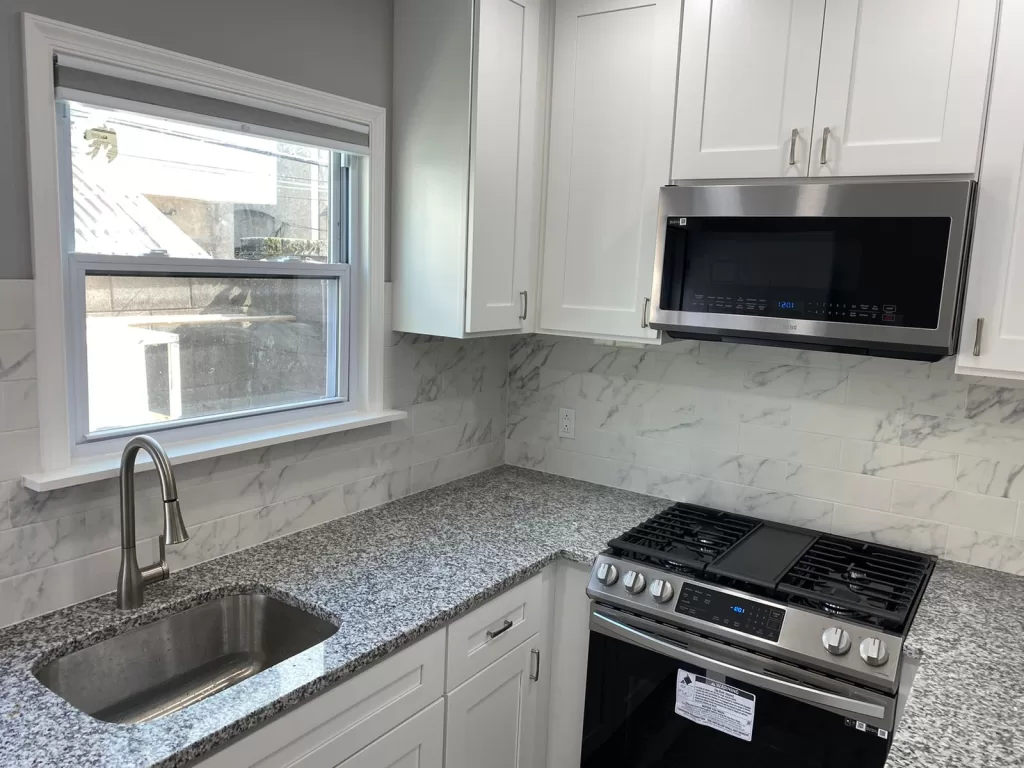
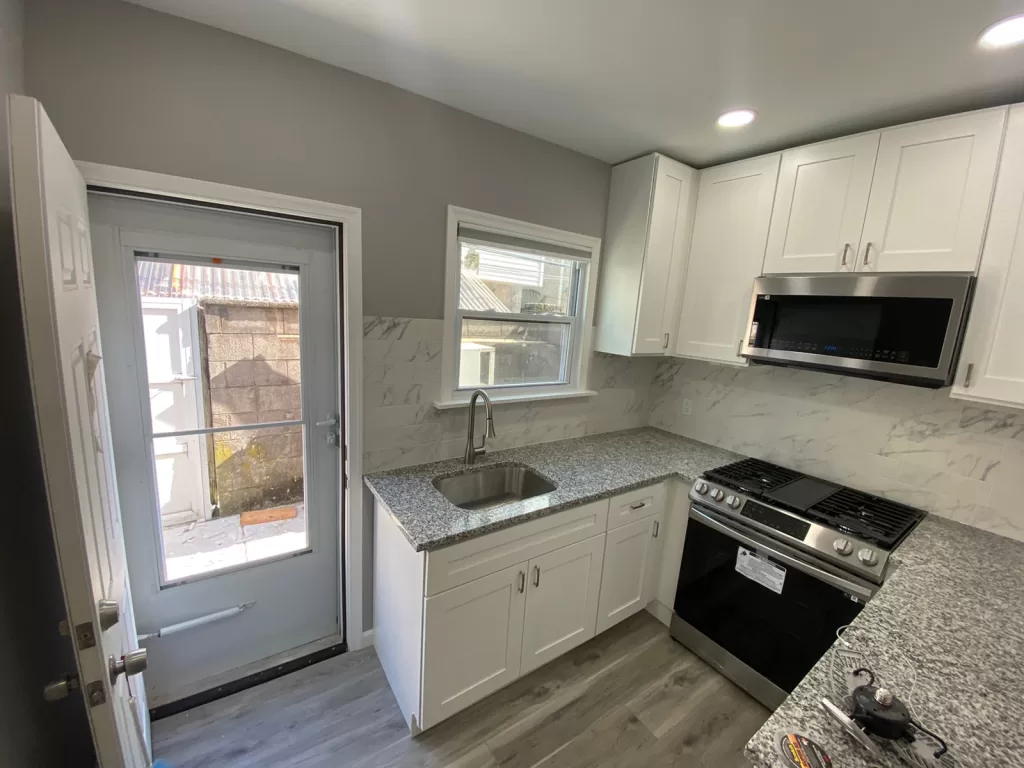
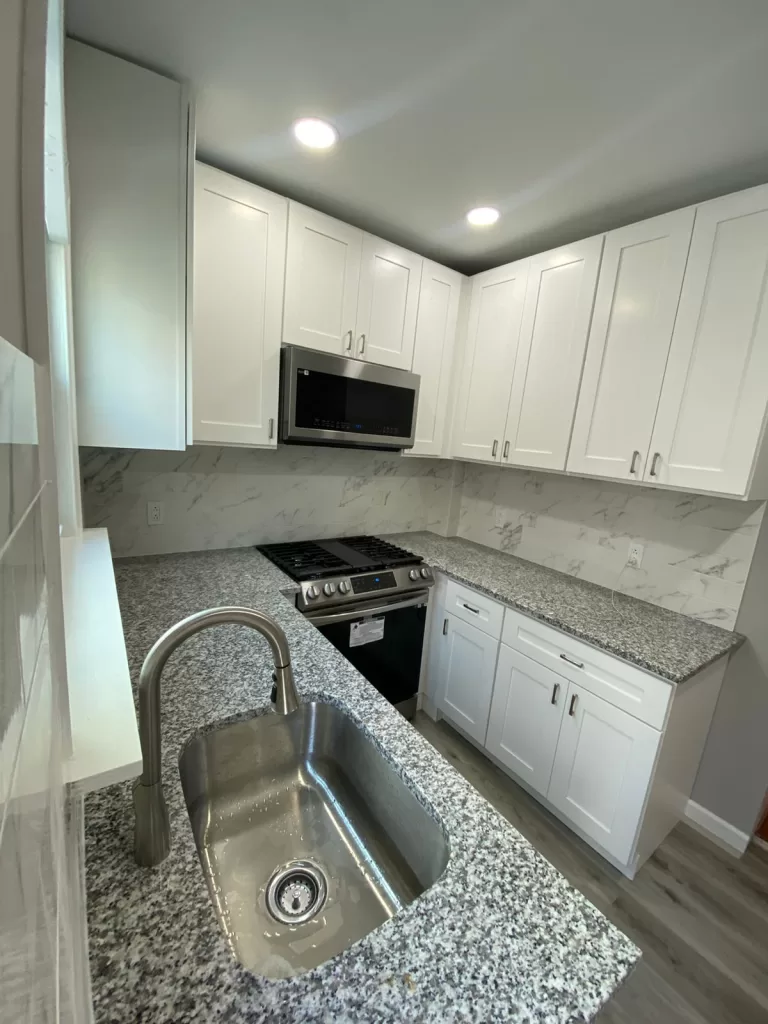
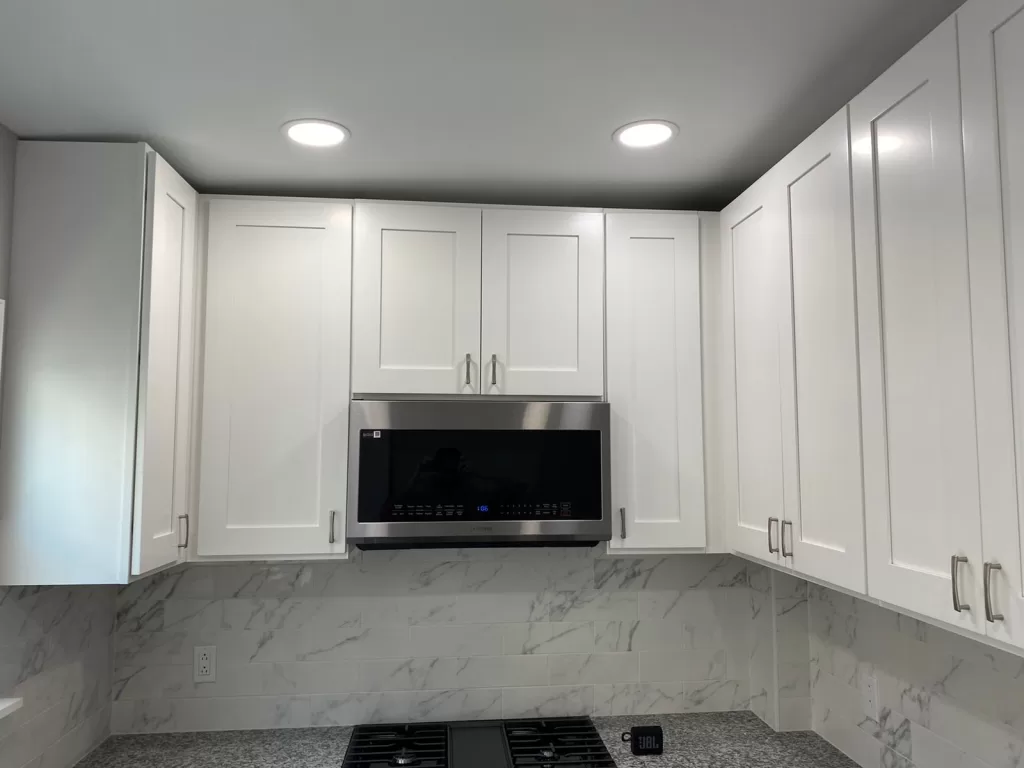
This 120-square-foot kitchen in Philadelphia was part of a home addition — which meant the project began not with demolition but with construction: two new walls were framed to define the kitchen space, a new ceiling was installed, and the floor was raised and insulated before any cabinets or finishes went in. White cabinets, LVP flooring, a tile backsplash, four recessed lights, and new appliances complete the fit-out.
Scope of Work
- Two new walls framed to define kitchen space
- New ceiling installed
- Floor raised and insulated
- White kitchen cabinets installed
- LVP flooring installed
- Tile backsplash installed
- Four recessed lights installed
- New appliances installed
- Plumbing and electrical to code
- Building the Kitchen Space First
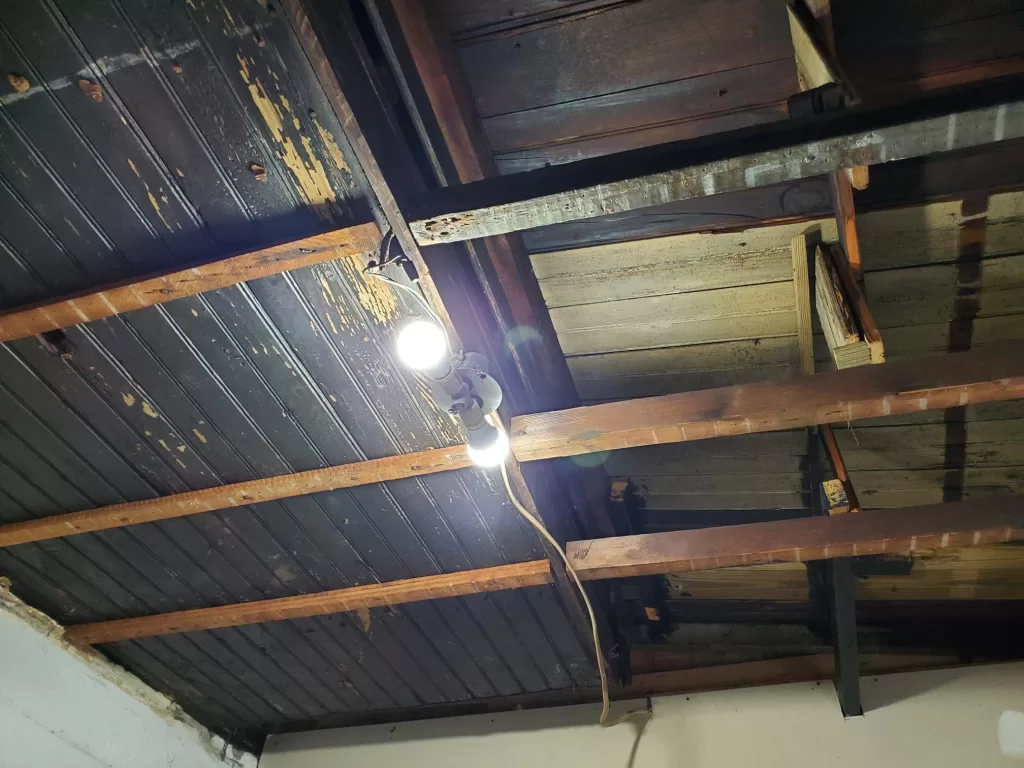
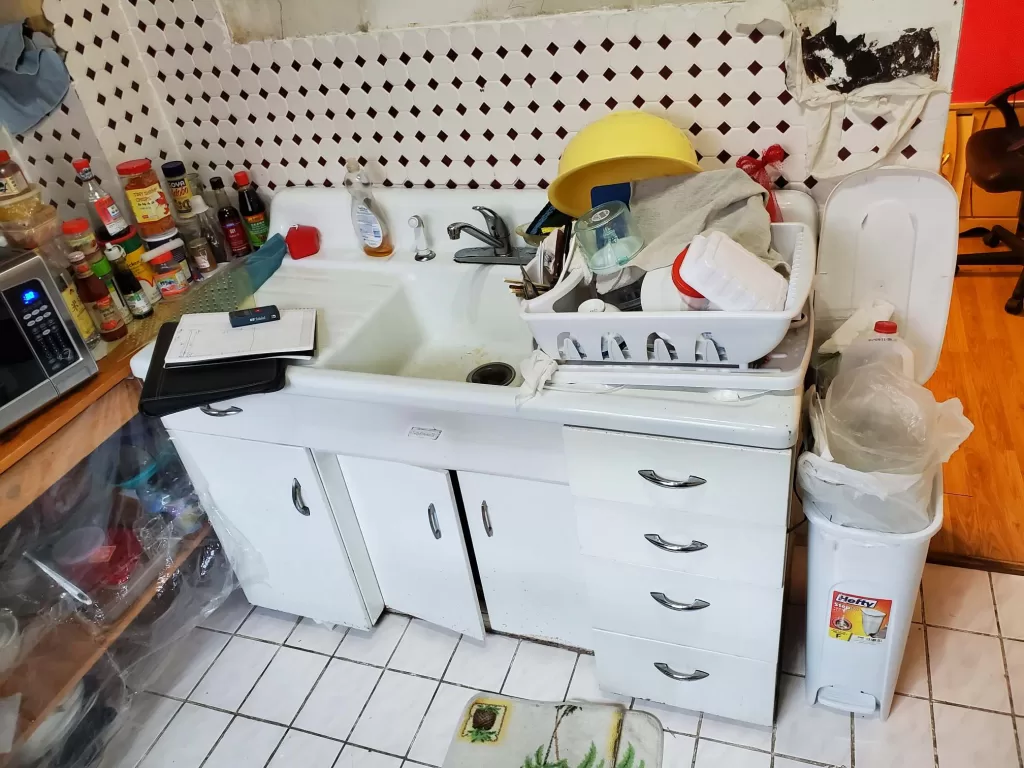
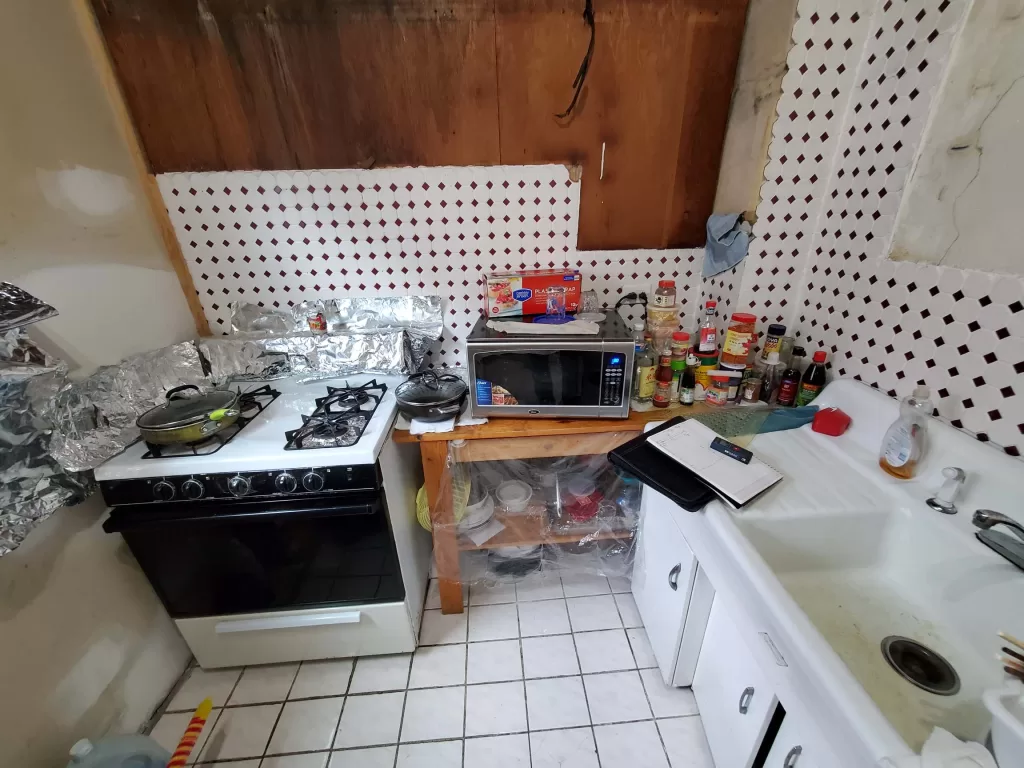
Most kitchen remodels start with demolition: removing what is there to make way for what is new. This project started differently. The kitchen was part of a home addition, which means the space did not previously exist as a defined room. Two new walls had to be framed to create the kitchen’s enclosure before any finish work could begin. Framing establishes where the room begins and ends, where the cabinets will land, and where the plumbing and electrical rough-in will run through the wall cavities.
A new ceiling was installed to close the top of the newly framed space and create the plane for the recessed lighting. The floor was raised and insulated as part of the structural preparation — in a home addition where the floor sits above an unheated or unconditioned space below, proper floor insulation is what prevents the kitchen floor from being significantly colder than the rest of the house and prevents moisture from migrating upward through the floor assembly.
Why Floor Insulation Matters in an Addition Kitchen
Raising and insulating the floor in an addition kitchen is not a cosmetic step — it is a thermal and moisture management requirement. The floor of an addition that sits above a crawl space, garage, or unconditioned area is exposed to a significant temperature differential in winter. Without proper insulation in the floor assembly, the kitchen floor surface can be 10 to 20 degrees colder than the ambient air temperature in the room, which is noticeable underfoot and affects how comfortable the space is to work in.
The raised floor also establishes the correct finished floor elevation for the kitchen, which determines the relationship between the floor surface and the cabinet toe kicks, the threshold height at the kitchen entry, and the countertop height above the cabinets. Getting the floor elevation right at the structural phase — before cabinets are set — is what ensures those relationships are correct in the finished room.
White Cabinets and LVP Flooring
White cabinets were installed throughout the 120-square-foot kitchen. In a kitchen built within a home addition, the cabinet selection sets the visual character of a room that has no existing finishes to reference — everything reads against the new cabinet finish. White cabinets keep the space light and open, which matters in a kitchen that may have limited natural light from the addition’s window configuration.
LVP flooring was installed throughout. In a kitchen built above an insulated floor assembly, LVP is a practical finish material: it is water-resistant, dimensionally stable with temperature variation, and can be installed as a floating floor over the new subfloor without adhesive. Its durability under kitchen foot traffic and its ease of cleaning make it a suitable choice for a kitchen used daily.
Four Recessed Lights
Four recessed lights were installed in the new ceiling. In a 120-square-foot kitchen, four recessed fixtures positioned in a planned layout provide even illumination across the counters, the cooking area, and the center of the room without dark zones at the perimeter. The fixture positions and electrical rough-in were incorporated into the ceiling framing phase before the ceiling was closed, so the fixtures are properly integrated rather than cut in afterward.
Recessed lighting in a kitchen keeps the ceiling clean — no pendant hardware or surface-mounted fixture bodies to work around visually. In a newly built kitchen space where every element is being chosen fresh, starting with a recessed ceiling plan from the beginning produces a cleaner result than retrofitting lighting into a finished ceiling.
Tile Backsplash and Appliances
A tile backsplash was installed between the countertop and the upper cabinets. The backsplash is the surface most directly exposed to cooking splash and the visual connection between the countertop and the cabinet faces above it. In a white-cabinet kitchen with LVP flooring, the backsplash provides the opportunity to introduce texture, pattern, or color at eye level without committing the whole room to it.
New appliances were installed and connected as part of the project. Plumbing and electrical throughout were installed to current code — in a Philadelphia home addition, that means the inspections that accompany permitted work verified the connections before the walls and ceiling were closed.
Kitchen Remodeling in Philadelphia
Philadelphia homes of varying types — rowhouses, twins, detached singles — are regularly expanded with additions that create new interior spaces. Building a kitchen within an addition is a different project from remodeling an existing one: it starts with framing, not demolition, and every system in the room has to be installed new. Belmax Remodeling works throughout Philadelphia on both kitchen remodels and new-construction kitchen fit-outs within additions. For more on our kitchen work, see our kitchen remodeling service page. Homeowners in Philadelphia can also visit our Philadelphia kitchen remodeling page for more completed local projects.
Considering a Similar Project?
Kitchen fit-outs within home additions in the 120-square-foot range — with new framing, insulated floor, white cabinets, LVP flooring, recessed lighting, backsplash, and appliances — typically fall in the $11,000–$16,000 range in Philadelphia. This project came in at $12,800, completed March 2023. To discuss what your project would involve, request a free estimate.