
Second-Story Addition – Yardley, PA
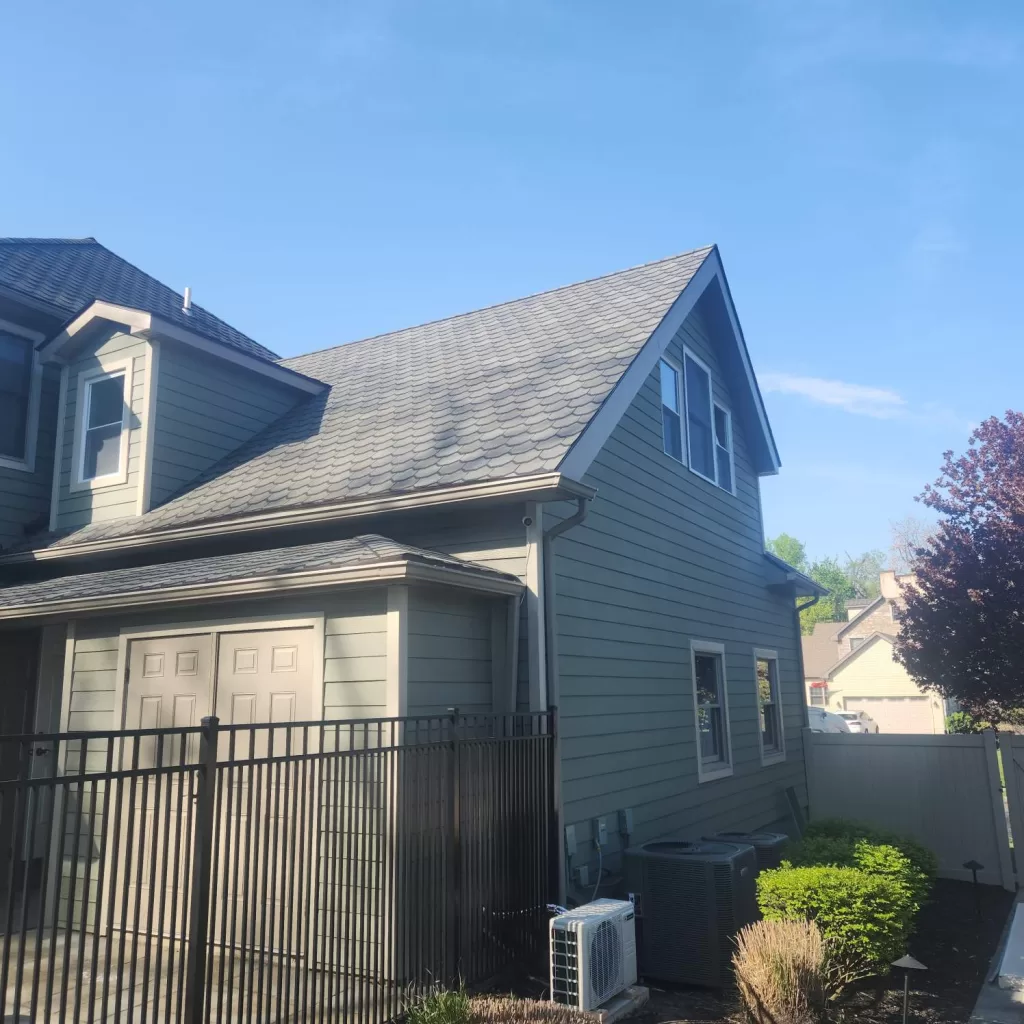
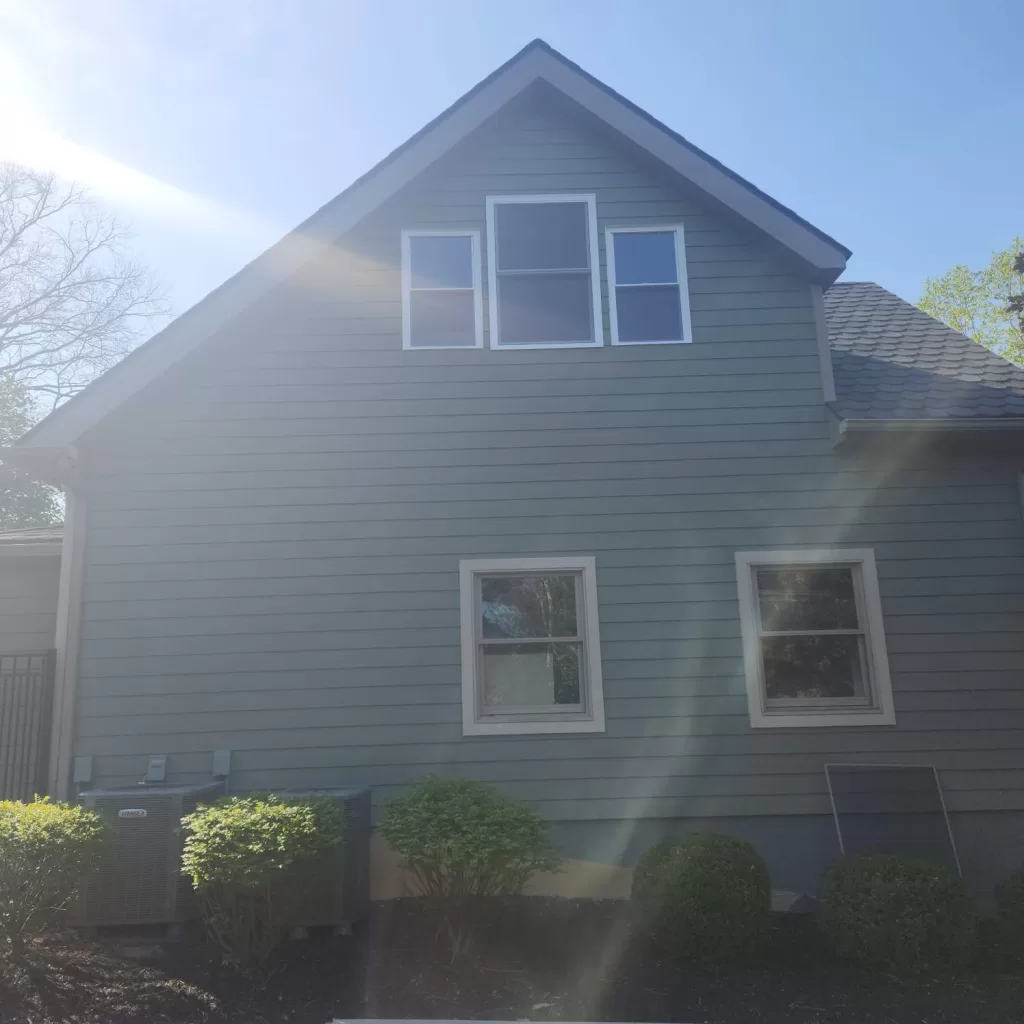
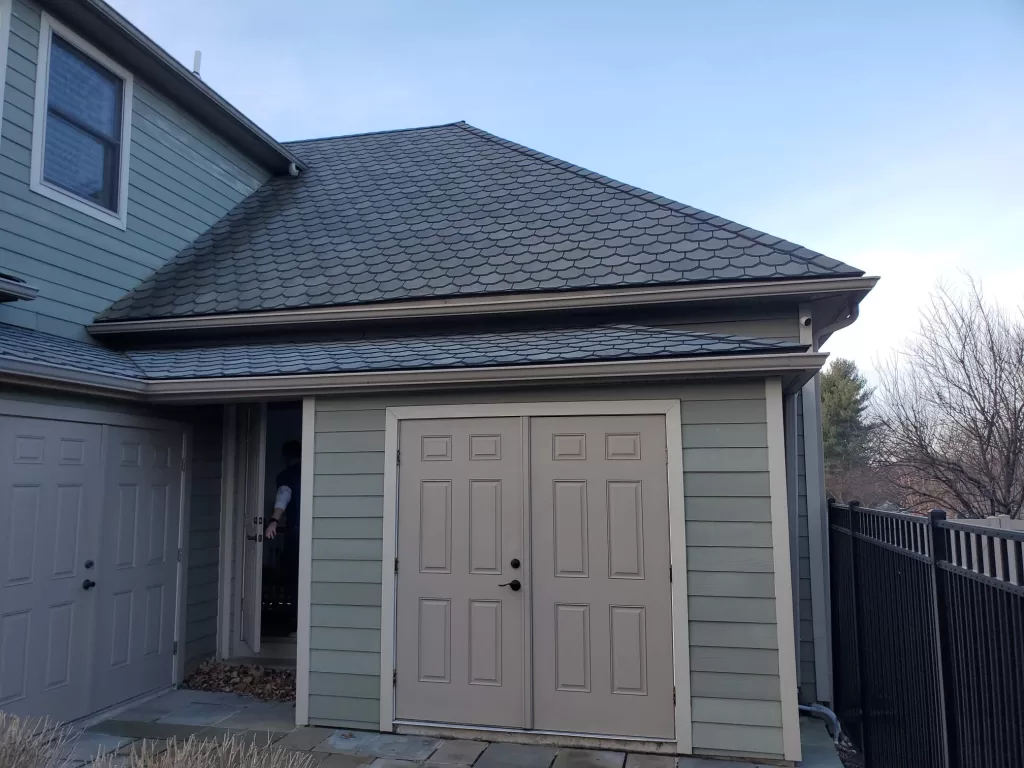
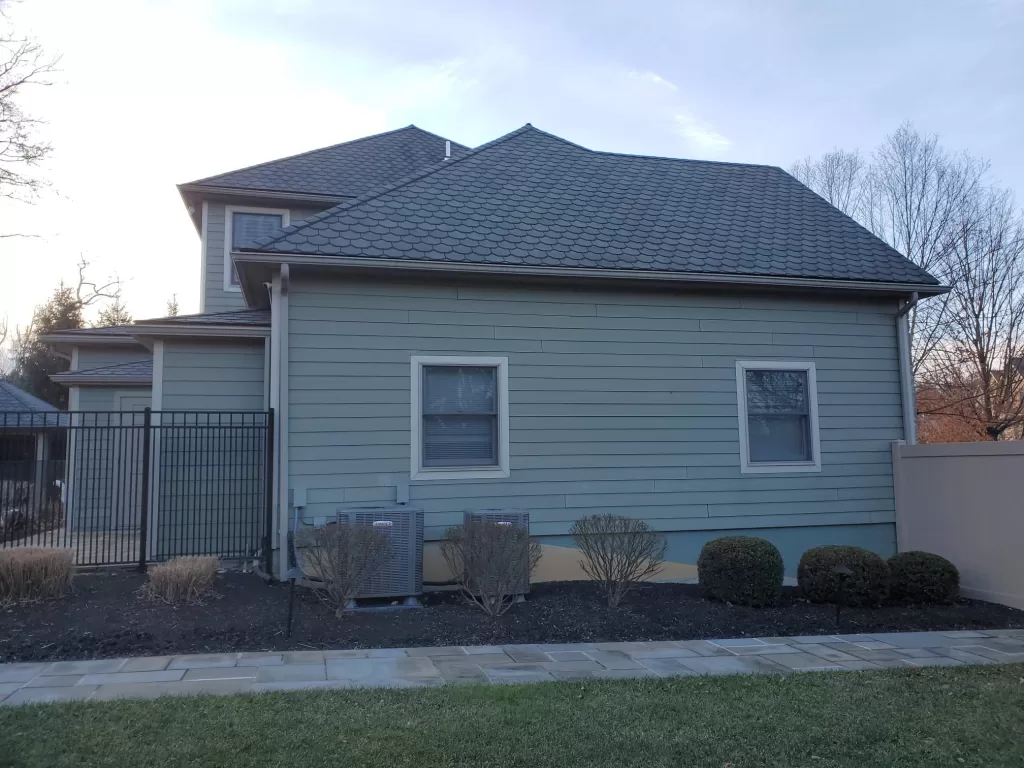
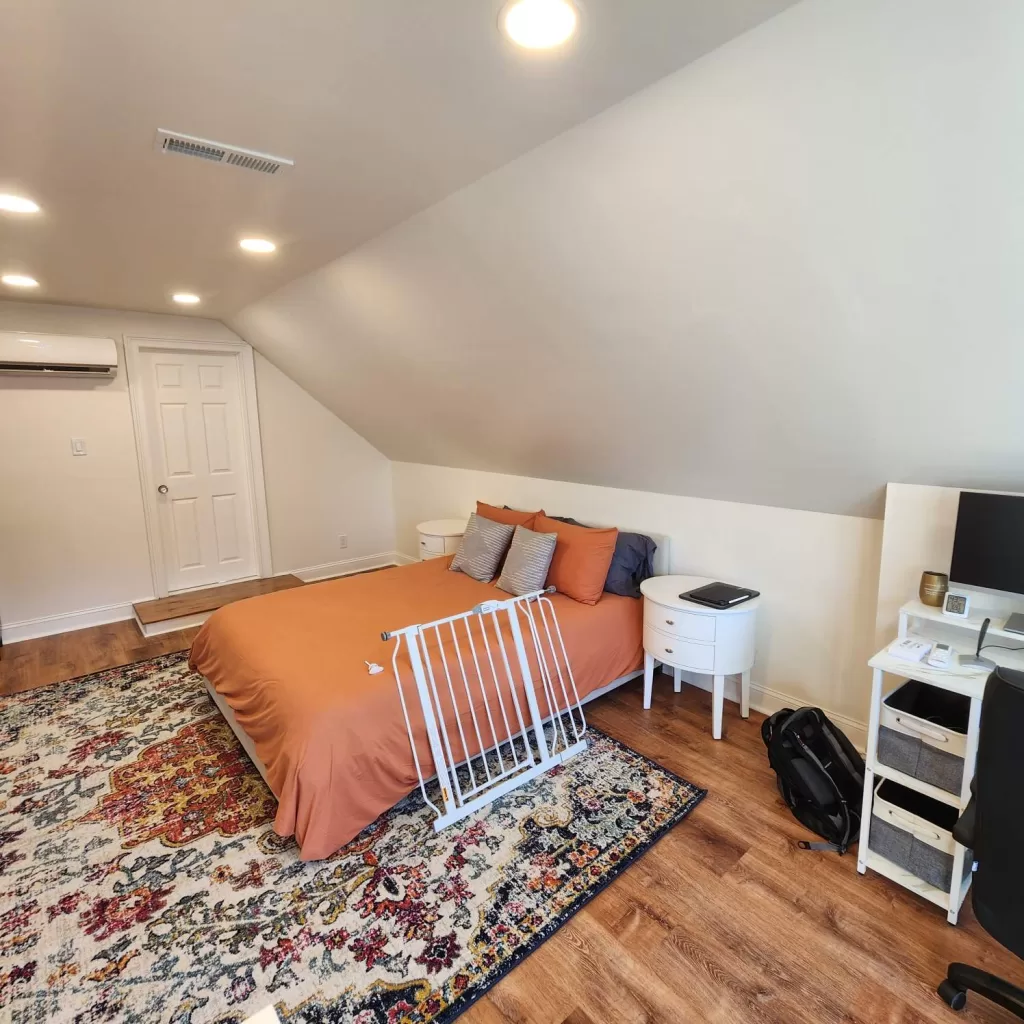
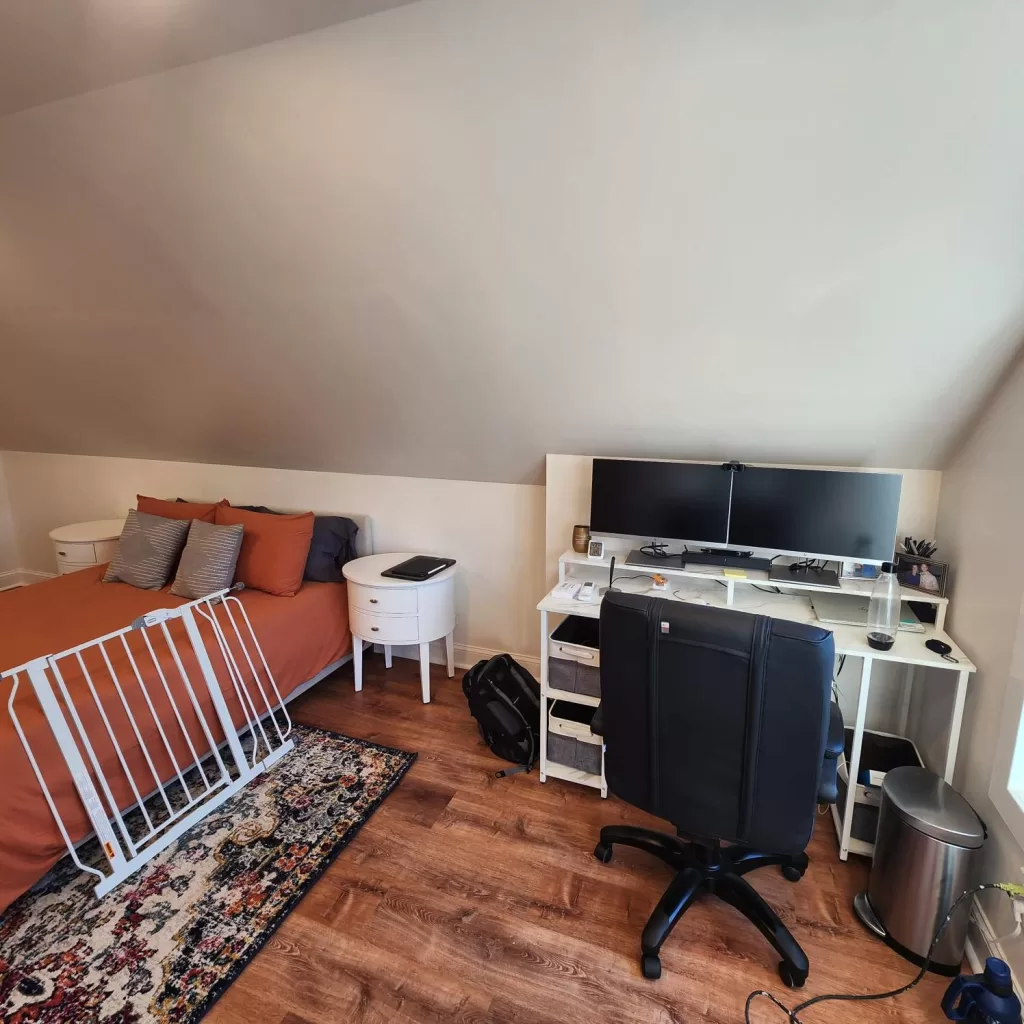
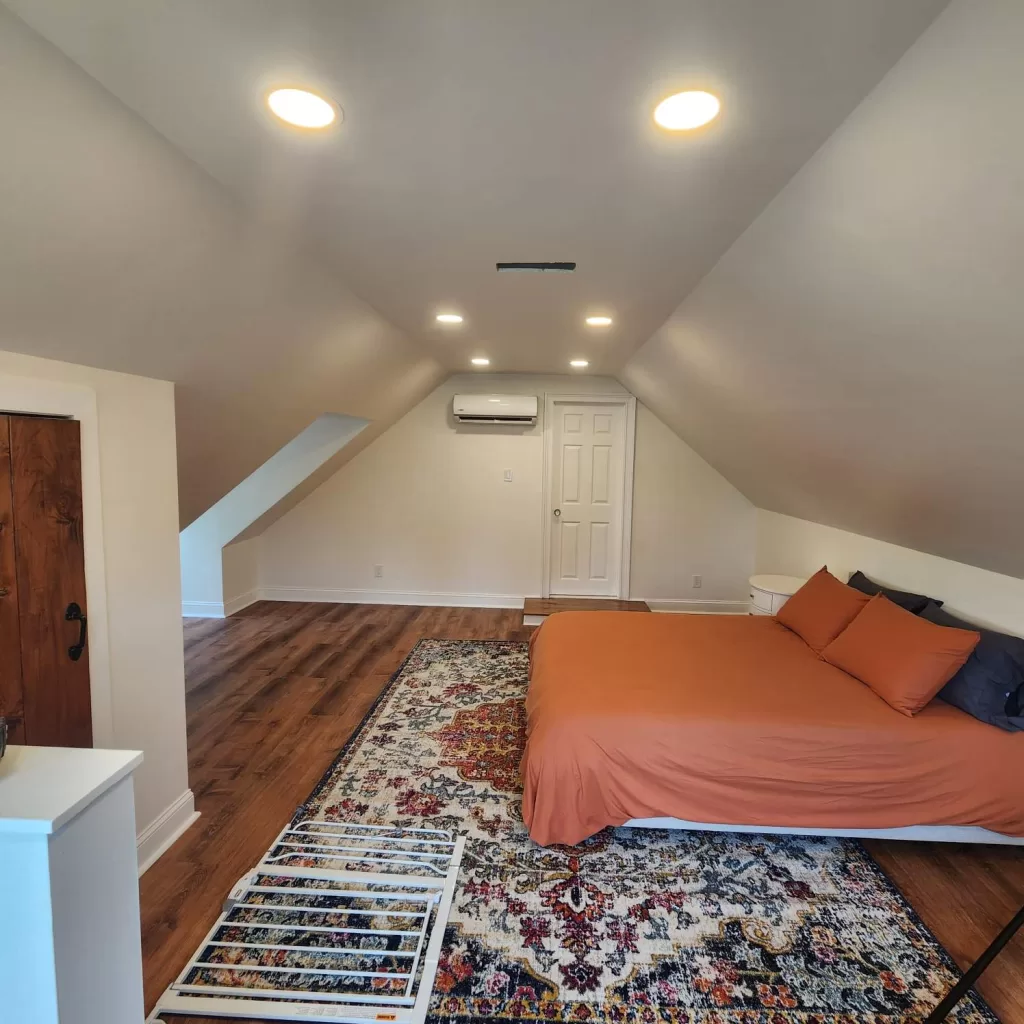
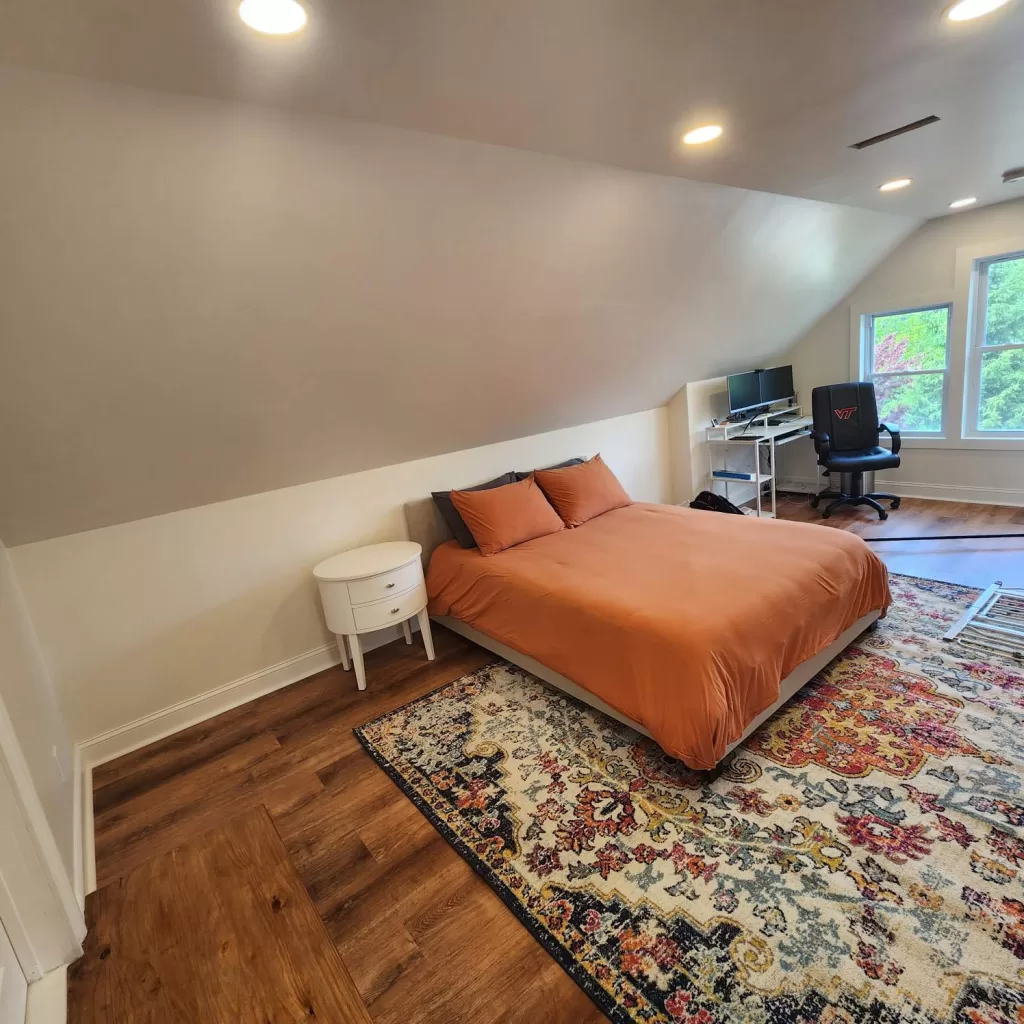
This Yardley project added 500 square feet of living space above an existing garage. The garage’s structural system had to be reinforced first — support posts and beams were installed inside to carry the floor load of the new level above it. From there the project framed new walls, installed subflooring, and built a gable dormer that gives the second story its ceiling height and natural light. New stairs from the garage to the second floor, four windows, recessed lighting, electrical outlets, HVAC extension plus a mini-split unit, and a fully matched exterior — siding, gutters, and shingles — complete the scope.
Scope of Work
- Structural assessment of existing garage
- Support posts and beams installed inside garage to carry new floor load
- New second-story wall framing
- Subflooring installed
- Gable dormer designed and constructed
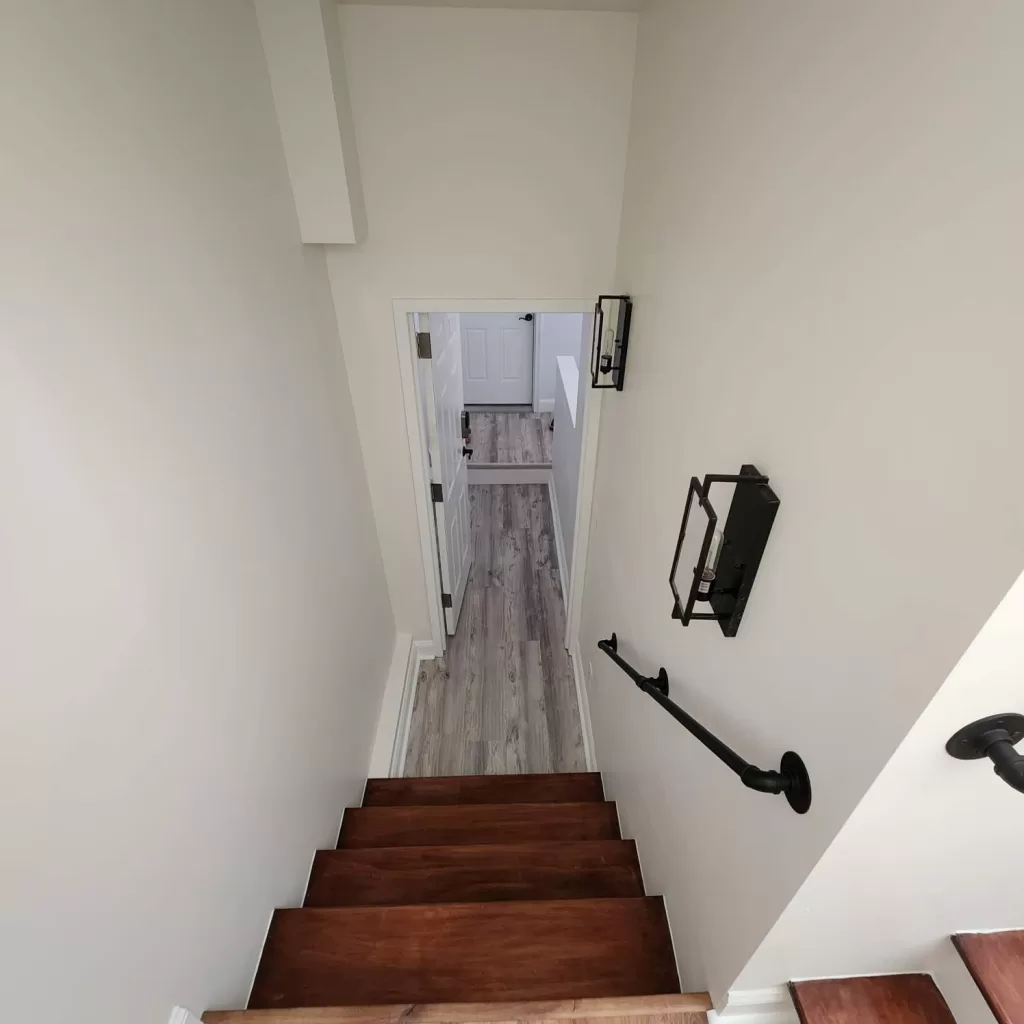
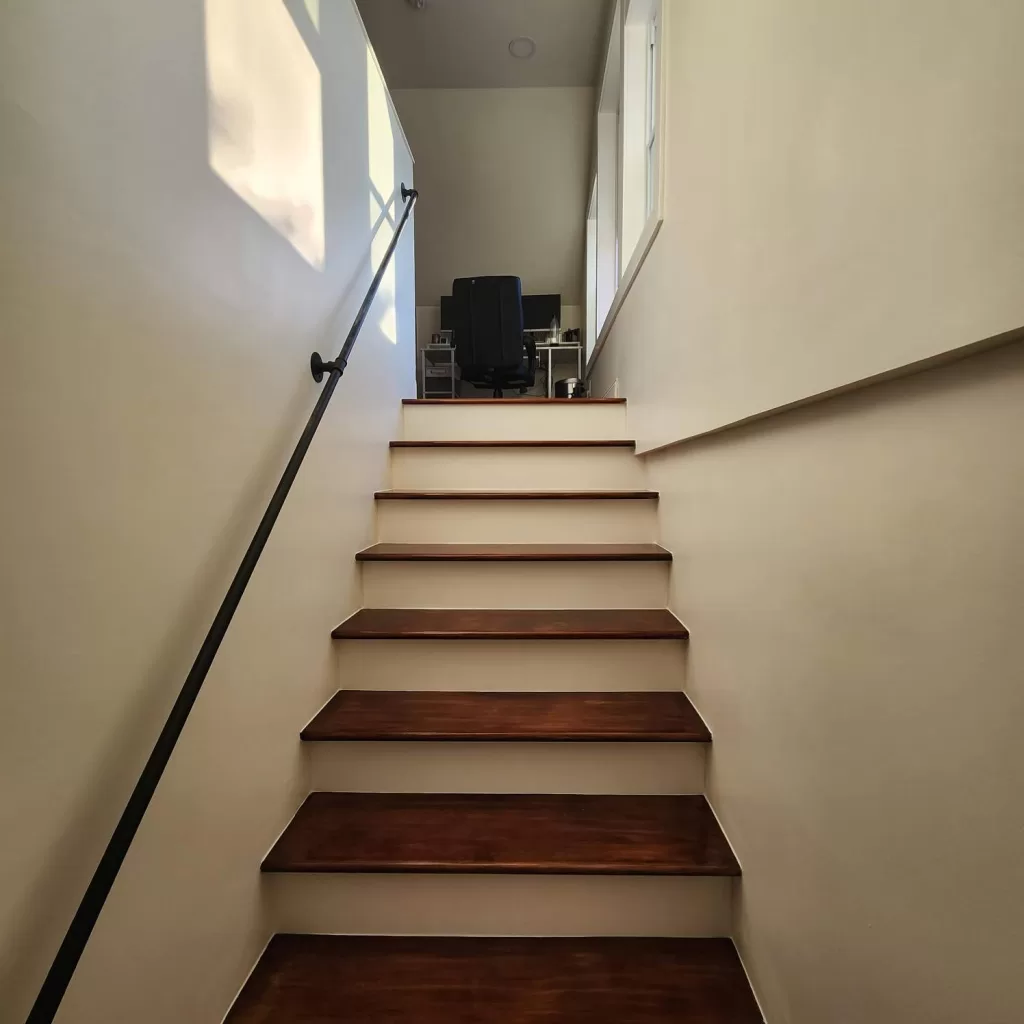
- New stairs from garage to second floor
- Four new windows installed
- Recessed lighting and electrical outlets installed
- Home HVAC extended into new space
- New mini-split unit added for the addition
- Exterior finished with siding, gutters, and shingles matching existing home
Starting with the Garage Structure: Reinforcement Before Framing
An above-garage addition begins with a question the original garage was never designed to answer: can this structure carry a floor above it? Garage roof framing is designed to support a roof, not a floor load — the loads are fundamentally different in magnitude and distribution. Before any new framing could go up, the existing garage structure had to be assessed and reinforced to carry the weight of the new level.
New support posts and beams were installed inside the garage to provide the structural capacity the addition requires. The posts transfer the floor load of the new level down through the garage walls and into the foundation below. The beams span between posts to carry the floor joists that support the second-story subflooring. This reinforcement work happens before any of the visible new construction begins — it is the foundation that everything above it depends on, and it has to be engineered correctly for the loads it will carry over the life of the addition.
The Gable Dormer: Ceiling Height and Natural Light
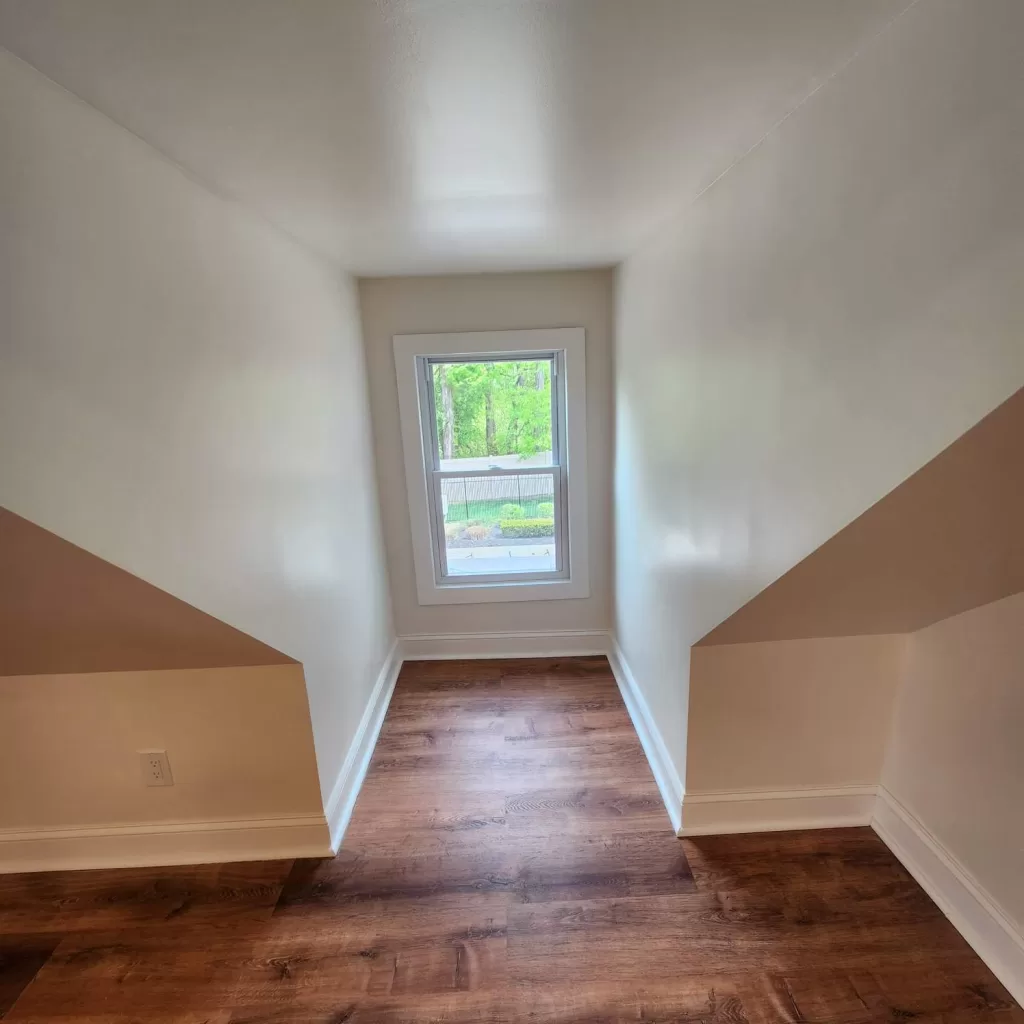
A gable dormer was designed and built as part of this addition. A dormer is a structural element that projects vertically from the slope of a roof, creating a section of vertical wall with its own roof — in this case a gable form, with two sloping sides meeting at a ridge. The functional importance of the dormer in a second-story addition above a garage is ceiling height: without it, the slope of the garage roof constrains the usable height of the new second-floor space, particularly toward the perimeter walls where the roof pitches down.
The gable dormer provides a zone of full ceiling height and vertical wall surface that the sloped roof alone would not allow. It also accommodates windows — in this case, part of the four new windows installed in the addition — which bring natural light into the interior and give the new space views that a windowless addition under a plain roofline would not have. Building the dormer requires cutting into the existing roof structure, framing the new dormer walls and roof, waterproofing the junction between the new dormer roof and the existing roof surface, and then finishing the exterior to match the house.
New Stairs from Garage to Second Floor
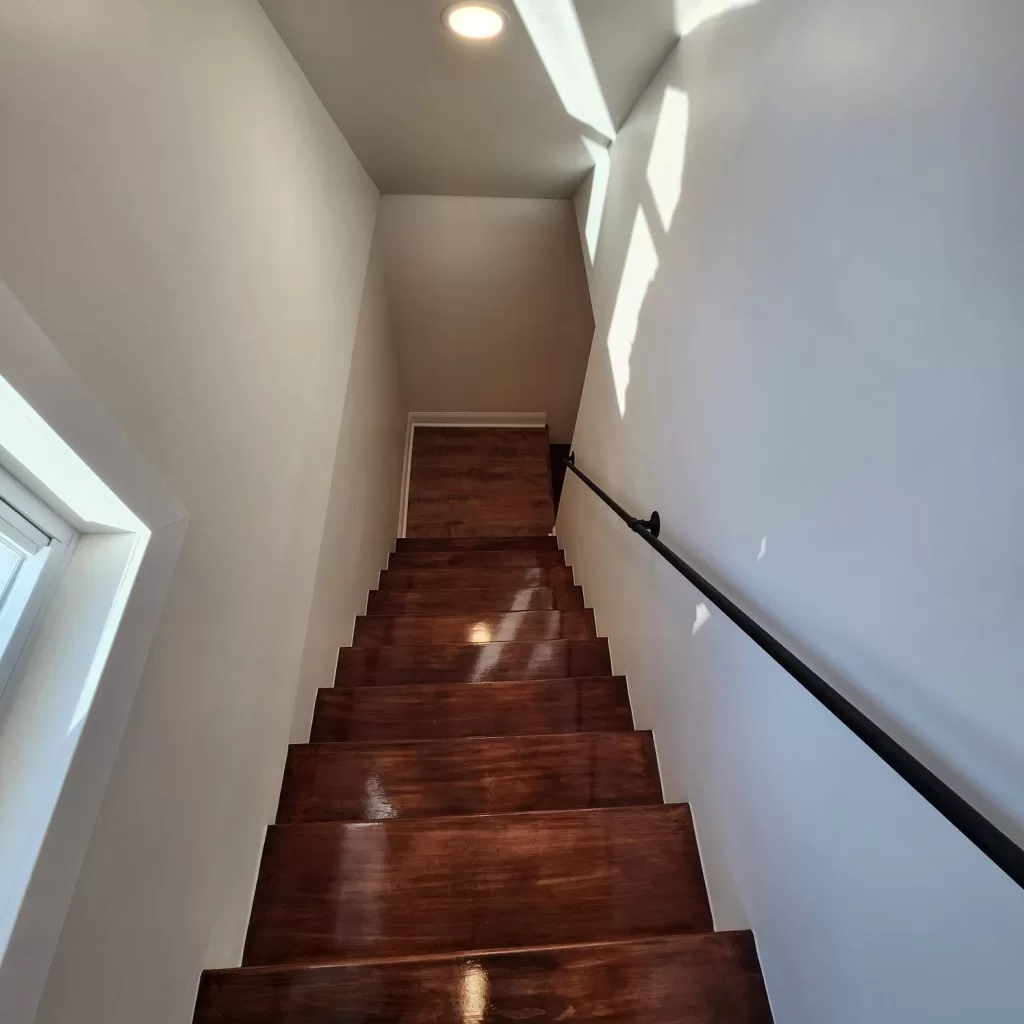
New stairs were built connecting the garage floor level to the new second-story addition. In an above-garage addition, the stair is the only point of access to the new level from inside the home — its location within the garage determines how the addition is entered, how the floor plan of the new level is organized around the stair opening, and how the garage itself is affected by the stair’s footprint.
Residential stair construction follows code requirements for riser height, tread depth, minimum width, and headroom clearance. In a garage-to-second-floor application, the headroom requirement — typically 6 feet 8 inches minimum above the nosing of each tread — has to be maintained throughout the stair run, which affects how the stair is positioned relative to the sloped ceiling of the garage and the new floor above.
HVAC: Extension and Mini-Split
Conditioning a 500-square-foot second-story addition requires either extending the home’s existing HVAC system or installing a separate unit for the new space — or, as in this project, both. The existing home’s HVAC was extended to serve part of the new addition. A new mini-split unit was also added to provide supplemental or independent conditioning for the addition.
The dual-system approach reflects a practical consideration in above-garage additions: the existing HVAC was sized for the original home, and extending it to add 500 square feet without adding capacity risks underperforming the whole system. A mini-split unit for the addition allows it to be conditioned independently and efficiently, without depending entirely on an existing system that was not sized for the expanded load. Mini-split systems also do not require ductwork — an advantage in a new framed space where running ducts through walls and ceilings would add installation complexity.
Four Windows and the Exterior Match
Four new windows were installed in the addition walls and dormer. Windows in a second-story addition above a garage serve the same functional purposes as windows anywhere — natural light, ventilation, and views — but their placement is also constrained by the dormer geometry and the wall areas available between framing members. Each window opening was framed during the wall and dormer framing phase, with proper flashing installed around each rough opening before the exterior cladding went on.
The exterior of the addition was finished with siding, gutters, and shingles matched to the existing house. Matching the exterior materials is both an aesthetic and a practical requirement: the addition has to read as part of the original structure from the street, and the roofing and siding transitions have to be properly integrated with the existing envelope to prevent water infiltration at the junctions. A visible material mismatch or a poorly executed roof transition is the most common way an addition reveals itself as an addition rather than appearing as original construction.
Home Additions in Yardley and Bucks County
Yardley is a Bucks County borough with a mix of property types where above-garage additions are a practical way to add meaningful square footage without expanding the building’s ground footprint. The footprint already exists — the question is whether the structure can be reinforced to support a floor above it and how the roof, stairs, and systems will be managed. Belmax Remodeling works throughout Yardley and the broader Bucks County area on addition projects of this type. For more on our addition work, see our home addition service page. Homeowners in Yardley can also visit our Yardley home addition page for more completed local projects.
Considering a Similar Project?
Above-garage second-story additions in the 500-square-foot range with structural reinforcement, a gable dormer, new stairs, HVAC, electrical, and a fully matched exterior typically fall in the $50,000–$70,000 range in Bucks County depending on finish scope and site conditions. This Yardley project came in at $55,000, completed April 2023. To discuss what an addition on your property would involve, request a free estimate.