
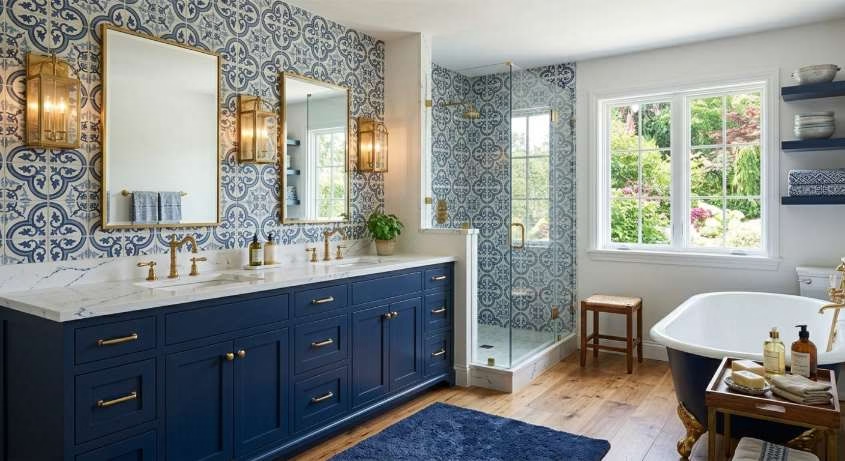
- By Saveli
- In Kitchen and bath
Bathroom Addition — What It Involves, What It Costs, and How to Plan
Adding a bathroom where one doesn’t exist is one of the more consistently valuable home improvement projects a homeowner can make. It addresses a real daily inconvenience, increases the functional capacity of the house, and holds its value well at resale in the Bucks County and Montgomery County market where older homes frequently have fewer bathrooms than modern buyers expect.
Bathroom additions range from a simple powder room — a toilet and sink in a small space — to a full bathroom with a shower, tub, vanity, and all associated plumbing. The scope of the addition, its location in the house, and how far the plumbing needs to travel from existing lines are the three factors that most determine whether this is a $15,000 project or a $50,000 one.
This article covers what a bathroom addition involves, when it makes sense, and what homeowners should think through before requesting estimates. For our addition services page, visit home addition services.
When a bathroom addition makes sense
The house has fewer bathrooms than the household needs
Many homes in Bucks County and Montgomery County built before 1970 have one full bathroom shared among all bedrooms, sometimes with a powder room on the main floor. A household of four sharing a single full bathroom creates real daily inconvenience that doesn’t resolve with better scheduling. Adding a second full bathroom — or even a second half bath — meaningfully changes daily life.
The one-bathroom house is also increasingly a negotiating point in real estate transactions in this market. Buyers comparing similar homes will consistently favor the one with two bathrooms, all else being equal. A well-executed bathroom addition recovers a significant portion of its cost at resale while providing daily value for the years before the home is sold.
A home addition or guest space needs a bathroom
When a home addition is being built — a new bedroom, a first-floor suite, a finished basement — adding a bathroom as part of that scope often makes more practical and financial sense than leaving the new space without one. The construction is already open, the plumbing rough-in can be coordinated with the addition framing, and the incremental cost of adding a bathroom to an active addition project is lower than returning to add one later.
A main-floor bathroom is needed for accessibility or aging in place
Houses with all bathrooms on the second floor create real access challenges for household members with mobility limitations or as occupants age. Adding a full bathroom or at minimum a powder room on the main floor — either in existing space or as part of a small addition — resolves this before it becomes a crisis.
A powder room is missing from the main living level
A house without a powder room on the main floor requires guests to go upstairs to use the bathroom, which means passing through private bedroom areas. Adding a powder room to the main floor is one of the smaller-scope bathroom addition projects and one of the most consistently mentioned improvements by homeowners preparing to sell.
Common bathroom addition types
Powder room addition
A powder room is a half bath — toilet and sink only, no shower or tub. Minimum usable size is approximately 18 square feet (roughly 3×6 feet), though 25 to 35 square feet provides more comfortable proportions. Because there’s no wet area, waterproofing scope is simpler than a full bathroom. Plumbing is still required — supply lines to the sink and toilet, a drain for each, and a vent stack.
The main variable in a powder room addition is where the space comes from. Sometimes a powder room can be carved out of existing square footage — a large closet, an underused corner of a hallway, space under a staircase. Sometimes it requires a small addition to create the footprint. The construction scope is very different between these two cases.
Full bathroom addition
A full bathroom includes a toilet, a vanity with sink, and either a tub, a shower, or both. Minimum workable size is approximately 40 to 50 square feet for a basic full bathroom with a tub/shower combo. A bathroom with a separate shower and tub needs more floor area — typically 60 to 80 square feet minimum.
Full bathroom additions require waterproofing in the wet area, tile work, a full plumbing rough-in including the shower or tub drain, supply lines for all fixtures, and proper ventilation to the exterior. This is the scope that most significantly affects both project duration and cost compared to a powder room.
Bathroom as part of a bedroom suite
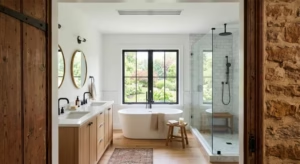
Adding a bathroom adjacent to a bedroom — creating a private ensuite — is one of the most common bathroom addition scenarios. It may involve converting existing closet or hall space into a bathroom, or building a small addition off the bedroom to create the bathroom footprint. Either way, the bathroom’s position directly adjacent to the bedroom it serves affects plumbing routing significantly.
A master suite addition — adding both a bedroom and ensuite bathroom as a single project — is addressed in detail in its own article. The point here is that the bathroom and bedroom are designed and built as an integrated unit, with the plumbing rough-in coordinated with the room framing from the start.
Bathroom added to a first-floor expansion
When a first-floor addition is being built for a bedroom, guest suite, or family room, adding a bathroom within that addition scope is significantly more cost-effective than doing it as a separate project later. The structure is already open, subcontractor coordination is in place, and the plumbing rough-in happens at the same time as the rest of the rough-in work. For homeowners planning a first-floor addition, the incremental cost of adding a bathroom to the scope is almost always less than the cost of adding it as a standalone project afterward.
What affects construction complexity
Every bathroom addition involves plumbing, electrical, waterproofing, and finish work. What varies is how complicated each of these is given the bathroom’s location relative to existing systems.
Plumbing routing — the most critical factor
Where the drain lines go is the single most important complexity driver in a bathroom addition. Drain lines flow by gravity — they need to slope continuously from the new bathroom toward the existing drain stack without obstruction. A bathroom directly above or adjacent to an existing drain stack is far simpler to plumb than one on the opposite side of the house, or one where the drain must travel horizontally across a finished basement ceiling to reach the stack.
Supply lines — the pressurized hot and cold water lines to the toilet, sink, and shower or tub — can be run in any direction and are much easier to route than drains. They’re not a significant complexity driver for most bathroom locations.
The practical rule: a bathroom that can be positioned directly above or adjacent to an existing bathroom, kitchen, or other wet area is almost always less expensive to add than one positioned elsewhere in the house. When choosing where to add a bathroom, proximity to existing wet walls is one of the first things to assess.
Drain and vent stack
Every bathroom requires a vent — a pipe that runs from the drain system up through the roof to equalize pressure and prevent sewer gas from backing up into the living space. In new construction or a full addition, the vent is simply part of the plumbing rough-in. In a bathroom being added to an existing finished space, routing the vent through finished walls and the roof requires opening walls, patching, and roof penetration work.
In some cases, an air admittance valve — a mechanical vent alternative — is permitted by the local plumbing code and simplifies the vent routing. Whether this is acceptable depends on the township and the specific application. Your plumber and contractor will know what’s permitted locally.
Creating the floor area
If the bathroom is being carved out of existing space — a closet, a section of a large room, understairs space — the existing structure needs to accommodate the floor drain and any required rough-in beneath the subfloor. In a house with a basement, drain lines can usually be run through the basement ceiling. In a house on a slab, cutting through the slab for drain rough-in adds significant scope.
If the bathroom requires a small addition to create its footprint, the addition involves the same foundation, framing, roofing, and exterior work as any other addition, just at a smaller scale.
Waterproofing the wet area
Any shower or tub enclosure requires a properly waterproofed assembly — continuous membrane behind the tile, properly sloped substrate at the floor, and sealed penetrations. A powder room without a shower or tub has no wet area to waterproof, which simplifies the scope. A full bathroom with a custom tile shower has the full waterproofing scope that any shower renovation would have.
Waterproofing is the phase that determines whether a bathroom addition holds up for 20 years or fails in five. It is not a place to cut corners.
Electrical and ventilation
A bathroom requires GFCI-protected circuits within a certain distance of water sources — required by current code in all jurisdictions. An exhaust fan vented to the exterior is required for any bathroom without operable exterior windows, and is strongly recommended even in bathrooms that have windows. Running electrical and ventilation to the new bathroom requires access through walls or ceilings, which is most straightforward during new construction or an active addition project.
Permits
Bathroom additions require permits in every Bucks County and Montgomery County township. The permit process for a bathroom addition typically covers the plumbing rough-in (inspected before walls close), electrical rough-in, and final inspection. If the bathroom involves structural work — a small addition, a load-bearing wall modification — a building permit is also required covering that scope. We handle permit applications and inspection coordination as part of every project.
What drives bathroom addition cost
Bathroom renovation cost ranges are covered in detail on our bathroom renovation cost page. For a bathroom addition specifically, these are the variables that most affect the total project cost.
Half bath vs full bath
A powder room (half bath) costs significantly less than a full bathroom. No wet area means no waterproofing, no shower or tub installation, no shower drain, and typically less tile work. A powder room addition in a straightforward location — adjacent to existing wet walls, simple plumbing routing — can be completed for $8,000 to $18,000 depending on finish level. A full bathroom addition with a custom shower runs $20,000 to $45,000 or more depending on scope.
Plumbing distance from existing lines
A bathroom positioned directly adjacent to an existing bathroom or kitchen — sharing a wet wall — requires the shortest plumbing runs and the simplest drain routing. A bathroom positioned on the opposite side of the house, or requiring drains to travel across a finished space, adds plumbing scope proportionally. In some configurations, difficult drain routing adds $3,000 to $8,000 or more to the plumbing portion of the project.
Whether a structural addition is required
A bathroom carved out of existing square footage only requires plumbing, electrical, waterproofing, and finish work. A bathroom that requires a small structural addition to create its footprint also requires foundation, framing, exterior work, and roofing on top of the interior scope. The difference in total project cost between these two scenarios is substantial.
Shower vs tub vs both
A custom tile walk-in shower costs more than a prefabricated tub surround in the same footprint. A bathroom with both a separate shower and a freestanding tub costs more than either alone and requires more floor area. The wet area specification is the largest single variable in full bathroom addition cost after overall square footage.
Finish level
Tile selection, vanity quality, fixture choices, and lighting all affect the final number. The same bathroom structure can be finished simply at one budget or with premium selections at another. For a detailed look at how finish choices affect bathroom project cost, see our bathroom remodeling page.
Common planning mistakes
Underestimating plumbing complexity before committing to a location
The most common bathroom addition mistake is deciding where the new bathroom will go based on floor plan convenience or available space without first checking how the plumbing will get there. A bathroom that looks simple on paper can require significant plumbing work if the drain routing is complicated. The plumbing assessment should happen before the location is finalized, not after a contractor has already been engaged and the scope is set.
Forcing a bathroom into a space that’s too small
A powder room requires a minimum of approximately 18 to 20 square feet — enough for a toilet with required clearance and a small sink. Below this, the space doesn’t meet code clearance requirements. A full bathroom requires at minimum 40 to 50 square feet. Trying to fit a full bathroom into a space that’s only adequate for a powder room produces a bathroom that’s uncomfortable to use and may not pass inspection. Confirming that the proposed space is adequate for the intended bathroom type is a first step, not an afterthought.
Not planning the layout before rough-in begins
The toilet rough-in position, the shower drain location, and the sink supply lines all have to be placed during rough-in — before walls close. Changes to fixture placement after rough-in requires reopening walls or floors. The bathroom layout — where each fixture goes and how they relate to each other and to the door swing and circulation — needs to be finalized before any rough-in work begins, not adjusted mid-construction.
Choosing fixtures before confirming they fit
Toilet rough-in distance, shower pan size, and vanity dimensions all have to be confirmed against the actual space before fixtures are ordered. Fixtures purchased based on a floor plan sketch that turns out to be slightly wrong result in returns, delays, and sometimes plumbing modifications. Confirm final dimensions with the contractor before ordering anything.
Treating ventilation as optional
A bathroom without adequate ventilation to the exterior accumulates moisture that damages finishes, encourages mold, and creates ongoing maintenance problems. Exhaust fans are required by code in bathrooms without operable windows, and are strongly recommended even in bathrooms that have them. Routing the vent during the rough-in phase of the project costs a fraction of what it costs to add it later through finished walls and ceiling.
What to decide before requesting estimates
Having clear answers to these questions before a contractor visits produces accurate, comparable quotes.
- Half bath or full bath? — the difference in scope and cost between a powder room and a full bathroom is significant. Knowing which one is needed narrows the estimate considerably.
- Shower, tub, or both? — for a full bathroom, the wet area specification is the largest cost variable. Having a clear preference before estimates are prepared means quotes are based on the same scope.
- Where in the house? — even a rough sense of the preferred location helps the contractor assess plumbing feasibility quickly. Proximity to existing wet walls, basement accessibility, and the path for drain routing are all location-dependent.
- Is existing space available or does a small addition need to be built? — these are fundamentally different scopes with very different cost ranges. Knowing which path is being considered at the outset frames the conversation correctly.
- Fixture and finish preferences — a rough sense of desired quality level — standard vs premium fixtures, basic tile vs custom tile — helps produce a realistic estimate rather than a wide range.
- Budget range — a rough budget expectation lets the contractor assess whether the desired scope is achievable and where tradeoffs may be needed.
Planning a bathroom addition?
We work with homeowners throughout Bucks County, Montgomery County, Philadelphia, and Mercer County NJ on bathroom additions of all types — powder rooms carved out of existing space, full bathroom additions, and bathrooms built as part of larger addition projects.
Call us at 609-712-2750 or request a free estimate online. We’ll come to your home, look at the proposed location, assess the plumbing routing, and give you a realistic written quote based on what the project actually involves.


