
- By admin
- In Kitchen and bath
Why Two Bathroom Remodels the Same Size Can Cost Very Different Amounts
Two bathrooms. Same square footage. One renovation costs $9,000. The other costs $22,000. Same contractor, same market, same year.
This happens regularly — and the reason isn’t arbitrary. The decisions made about the wet area, the tile work, the plumbing configuration, and what’s behind the walls determine the scope of work more than the size of the room does. A 55-square-foot bathroom with a complex custom shower, full-height tile, and a plumbing move costs significantly more than a 70-square-foot bathroom with a straight tub swap and a vanity replacement.
If you’re in early research mode trying to understand what your bathroom renovation might cost, the bathroom renovation cost guide has detailed ranges and real project examples. This article is about something different — explaining the variables that move those numbers and helping you understand what you’re actually deciding when you plan a bathroom renovation.
Scope is more important than size
The first thing to understand about bathroom renovation pricing is that square footage is a weak predictor of cost. It affects material quantities — more floor tile, more wall tile, more labor hours — but it doesn’t capture the decisions that have the biggest effect on price.
The real cost drivers are:
- Whether the shower is a prefab swap or a custom build
- Whether plumbing fixtures stay in place or move
- What tile work is involved and how complex it is
- What’s behind the walls when demo happens
- Whether the existing subfloor and waterproofing are sound
A small bathroom with a custom walk-in shower, floor-to-ceiling tile, and a tub-to-shower conversion that requires plumbing reconfiguration will cost more than a larger bathroom where the existing tub surround is being replaced in kind and the vanity is being swapped out.
Understanding this scope logic before you get estimates helps you ask better questions and compare quotes that are actually describing the same project.
The wet area is where most of the money goes
In any bathroom renovation, the wet area — the shower, the tub, or both — is where the most technically demanding and most expensive work happens. It’s also where the decisions you make have the biggest effect on cost.
Prefab vs custom shower — the biggest fork in shower pricing
A prefab shower unit — a molded fiberglass or acrylic surround that drops into place — is fast to install and relatively inexpensive. A basic tub-to-shower conversion using a prefab unit can be done for $2,000 to $4,000 including labor.
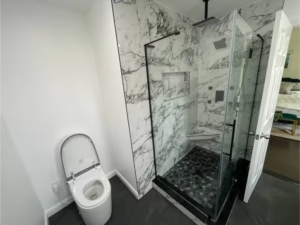
A custom tile shower is a completely different scope. It requires waterproofing membrane installation, cement backer board, mortar bed or prefabricated shower pan, full tile installation on the floor and walls, grout sealing, and a glass enclosure or door. Add a built-in bench, a niche in the wall, a curbless design, or a rain shower system, and the scope grows further.
A custom walk-in shower with full tile, a built-in bench, a niche, and a frameless glass enclosure runs $6,000 to $12,000 depending on tile selection and glass configuration. That’s the wet area alone — before anything else in the bathroom is touched.
This is the single biggest decision in bathroom renovation scope, and it’s worth making consciously rather than discovering mid-estimate why one contractor’s number is twice another’s.
Tub-to-shower conversions — what the plumbing actually involves
A tub-to-shower conversion isn’t just removing the tub and putting in a shower. It requires relocating or capping the tub drain, adding a shower drain in the right position, reconfiguring the supply lines and valve for a shower fixture rather than a tub spout, and potentially moving the valve position on the wall if the shower will be used differently than the tub was.
In some configurations this is relatively straightforward. In others — particularly where the plumbing runs in a difficult direction or the floor structure makes drain relocation complicated — it adds meaningful cost. This is worth discussing with a contractor before finalizing the design, because the plumbing configuration of your specific bathroom affects what’s possible and at what cost.
Waterproofing — the work that determines how long everything holds up
Waterproofing is the phase of a bathroom renovation that homeowners almost never see and that separates lasting work from work that fails in three to five years. A properly waterproofed shower involves a continuous membrane behind the tile on walls and floor, properly sloped substrate so water drains rather than pools, and sealed penetrations wherever pipes pass through the assembly.
Skipping or shortcutting this work is the most common cause of bathroom renovation failures. Water gets behind the tile, damages the backer material and framing, and eventually shows up as cracked grout, musty smell, or visible mold — at which point the whole project has to come out.
Proper waterproofing adds cost and time to the wet area scope. It is not optional if you want the renovation to last.
Tile complexity changes labor cost more than most people expect
Tile selection gets a lot of attention for material cost — natural stone vs porcelain vs ceramic. What gets less attention is how dramatically tile complexity affects labor cost, often more than the material itself.
Standard 12×24 porcelain tile, stacked layout, flat wall — straightforward installation. The tile setter can move quickly, waste is minimal, and cuts are simple.
Large-format tile (24×48 or larger) — heavier, harder to handle, requires a flatter substrate, produces more waste, and takes longer to install. Labor cost goes up even if the material cost per square foot is similar.
Herringbone, chevron, or diagonal patterns — significantly more cuts per square foot, more precise layout planning, and more labor time. A herringbone floor in a small bathroom can cost twice the labor of the same tile in a stacked layout.
Full-height wall tile — going floor to ceiling rather than just to the shower walls or a wainscot height adds significant square footage of tile work. It also requires more precise planning around windows, outlets, and trim transitions.
Multiple tile types with transitions — accent tiles, border tiles, and decorative inserts each add complexity to the layout and installation sequence.
This is why two bathrooms with similar overall costs on paper can have very different tile budgets. The material choice matters, but the layout complexity and coverage area often matter more.
What causes change orders in bathroom projects
Change orders — additional costs that come up after a project starts — are more common in bathrooms than in almost any other renovation type. Not because contractors are being dishonest, but because bathrooms have the highest concentration of conditions that can’t be seen until demo begins.
Water damage behind the shower surround
This is the most common finding. A shower or tub surround that wasn’t properly waterproofed has often allowed water to penetrate to the backer material and framing behind it over years or decades. When the tile comes off, the damage is revealed. Addressing it properly means removing all affected material, treating any mold, and rebuilding the substrate before the new waterproofing and tile can go in. This adds $500 to $2,500 depending on how extensive the damage is.
Soft or rotted subfloor
The floor area at the tub perimeter and around the toilet flange are the most common locations for subfloor deterioration in bathrooms. Water that has seeped under the flooring over time softens or rots the subfloor material. New flooring installed over a compromised subfloor will fail prematurely regardless of material quality. Subfloor repair adds $500 to $1,500 depending on extent.
Galvanized supply lines
In older homes throughout Bucks County and Montgomery County, the supply lines to bathroom fixtures are frequently galvanized steel. Galvanized pipes corrode from the inside over time, restricting flow and eventually failing. When a bathroom is opened for renovation, replacing galvanized supply lines makes sense — closing the walls back over pipes you know are deteriorating is a decision you’ll pay for later. Supply line replacement adds $500 to $1,500 depending on configuration.
Inadequate existing electrical
GFCI protection within a certain distance of water sources is required by current code. Many older bathrooms don’t have it. Bringing the electrical up to code during a renovation is required in most jurisdictions and adds cost — but it’s also simply the right thing to do in a wet area.
The practical approach is to budget a 10 to 15 percent contingency on any bathroom renovation in a home built before 1985. In this market, these findings are common enough that planning for them is more prudent than hoping they won’t appear.
Cosmetic refresh vs full gut — understanding the difference
These terms get used loosely in conversations about bathroom renovation, and they describe very different projects.
Cosmetic refresh — updating surface elements without touching plumbing, structure, or waterproofing. New vanity, new flooring over existing subfloor, new lighting, new fixtures, fresh paint. Cost range: $3,000 to $9,000 depending on material selections.
Full gut renovation — everything comes out to the studs. The substrate is rebuilt with proper waterproofing, and the bathroom is installed new from the structure out. Cost range: $12,000 to $30,000+ depending on scope and finishes.
The important thing to understand is that a cosmetic refresh done over a bathroom with hidden damage will fail — not immediately, but eventually and expensively. Part of the value of working with an experienced contractor is an honest assessment of which scope is actually appropriate for your specific bathroom before you commit to either.
What to finalize before asking for estimates
Getting useful, comparable bathroom renovation quotes requires a few decisions made before contractors come to look at the space.
Tub or shower — or both? The most important scope decision in a bathroom renovation. Keeping the tub, converting to shower-only, or having both — this determines the wet area configuration and drives a large portion of the budget.
Custom tile shower or prefab? Custom tile costs significantly more and produces a significantly different result. If you want a custom shower, say so clearly in every estimate conversation.
Is plumbing staying in place? Any plumbing move adds cost. Clarity on this before estimates are prepared means the quotes actually reflect what you want built.
Material tier preference? Even a rough sense of where you want to land — standard porcelain tile vs natural stone, stock vanity vs semi-custom — helps contractors build an estimate with realistic allowances.
Full gut or targeted renovation? Honest input on what you know about the existing condition helps produce a more accurate estimate.
For detailed cost ranges, real project breakdowns, and a full cost calculator, visit the bathroom renovation cost guide.
Ready to talk about your bathroom?
If you’re planning a bathroom renovation in Bucks County, Montgomery County, or surrounding areas of Pennsylvania and want an honest assessment of what your specific project would involve and what it would cost — our team is glad to help.
Call us at 609-712-2750 or request a free estimate online. We’ll come to your home, look at the existing bathroom, and give you a detailed written quote based on what the project actually requires — including an honest assessment of what we’re likely to find when demo begins.
You can also browse our completed bathroom remodeling projects to see examples of work across different scopes and budgets.


